
The awnings vs canopy question comes down to one line: a canopy is a lighter cover — usually fabric or thin sheeting on a slim frame — while an awning is heavier-built shade that becomes part of your home. Both keep some weather off. How they do it, how long they last and how they look are very different stories. Here they are, side by side, with real photos of both.
- Canopies are lighter covers — dome or wedge shaped, slim frames with fabric or thin sheeting; many can be made to measure too.
- Awnings (the kind we build) are welded aluminium with polycarbonate roofing, made to measure for the opening they shade.
- The fabric industry’s own guides put fabric covers at 5–15 years with ongoing care — a welded aluminium awning is a one-time build.
- Below: three side-by-side rounds — a front door, a set of windows, and a gable entry.
Round One
Over the front door
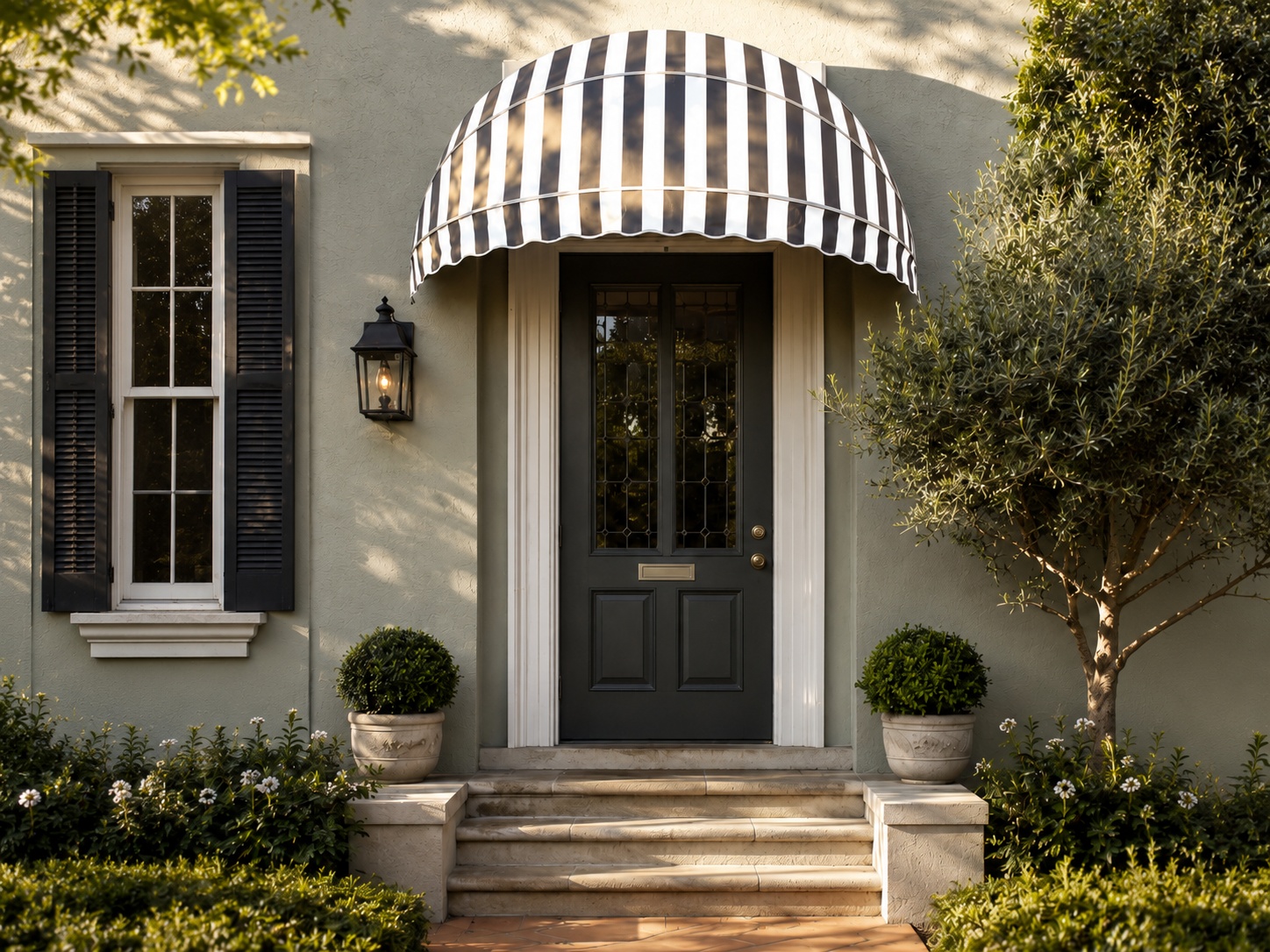 The canopy way: a dome canopy — curved cover, standard size, clipped on above the door.
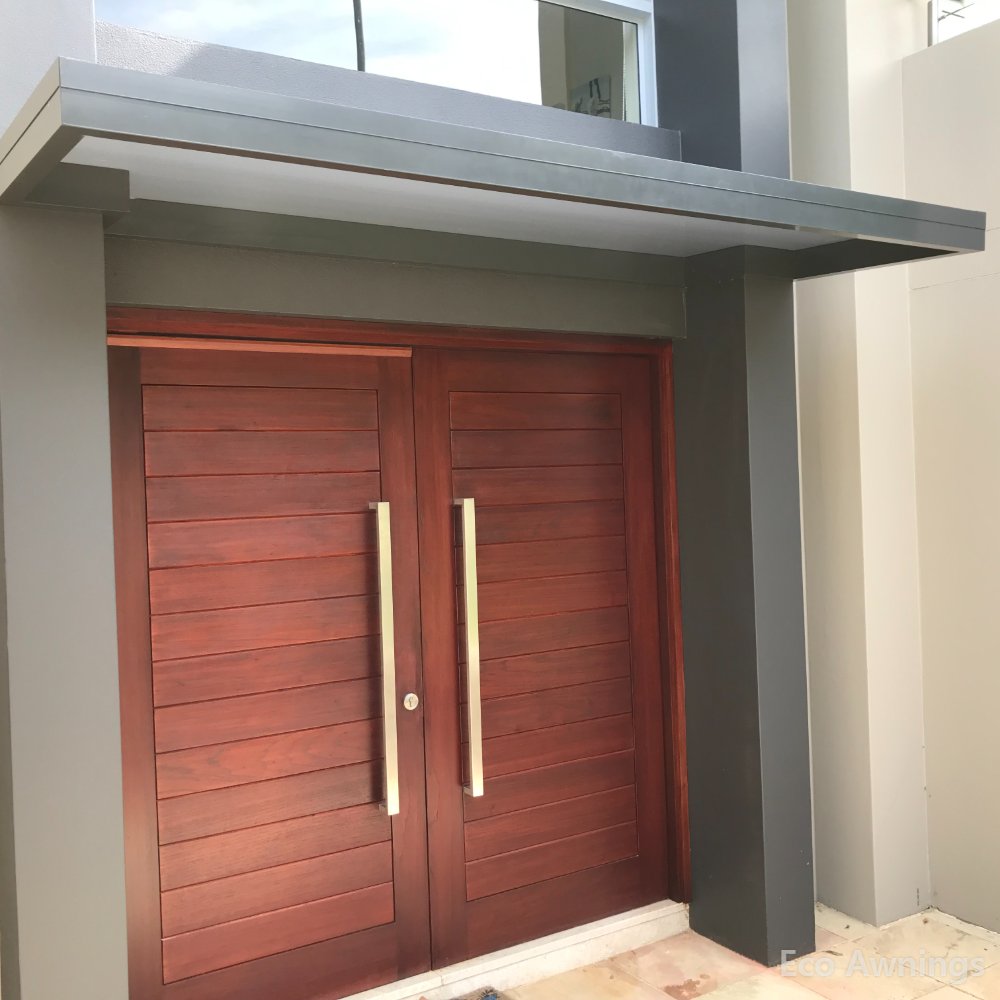 The awning way: a Slimline 100, cut in around the entry pillars for a wall-to-wall fit. See the Slimline 100 →
Both cover the door, and both can be shaped to fit it. The difference is the build. A canopy does the job with a light frame and a thin skin; an awning does it with welded aluminium — here measured from the entry and cut in around the pillars on both sides, so the cover reads as part of the house rather than an add-on.
Round Two
Over the windows
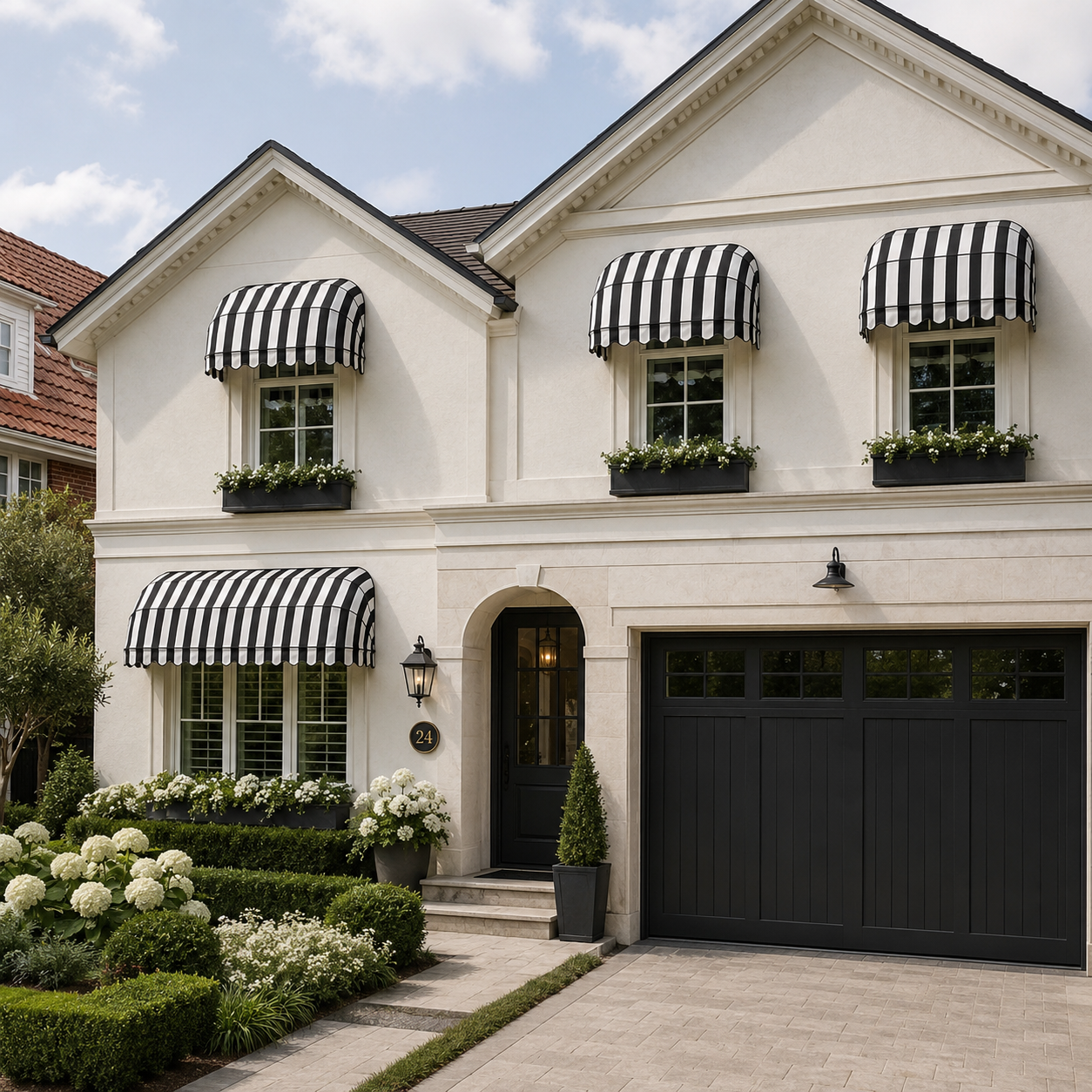 The canopy way: wedge canopies — one standard cover per window, fixed to the wall above.
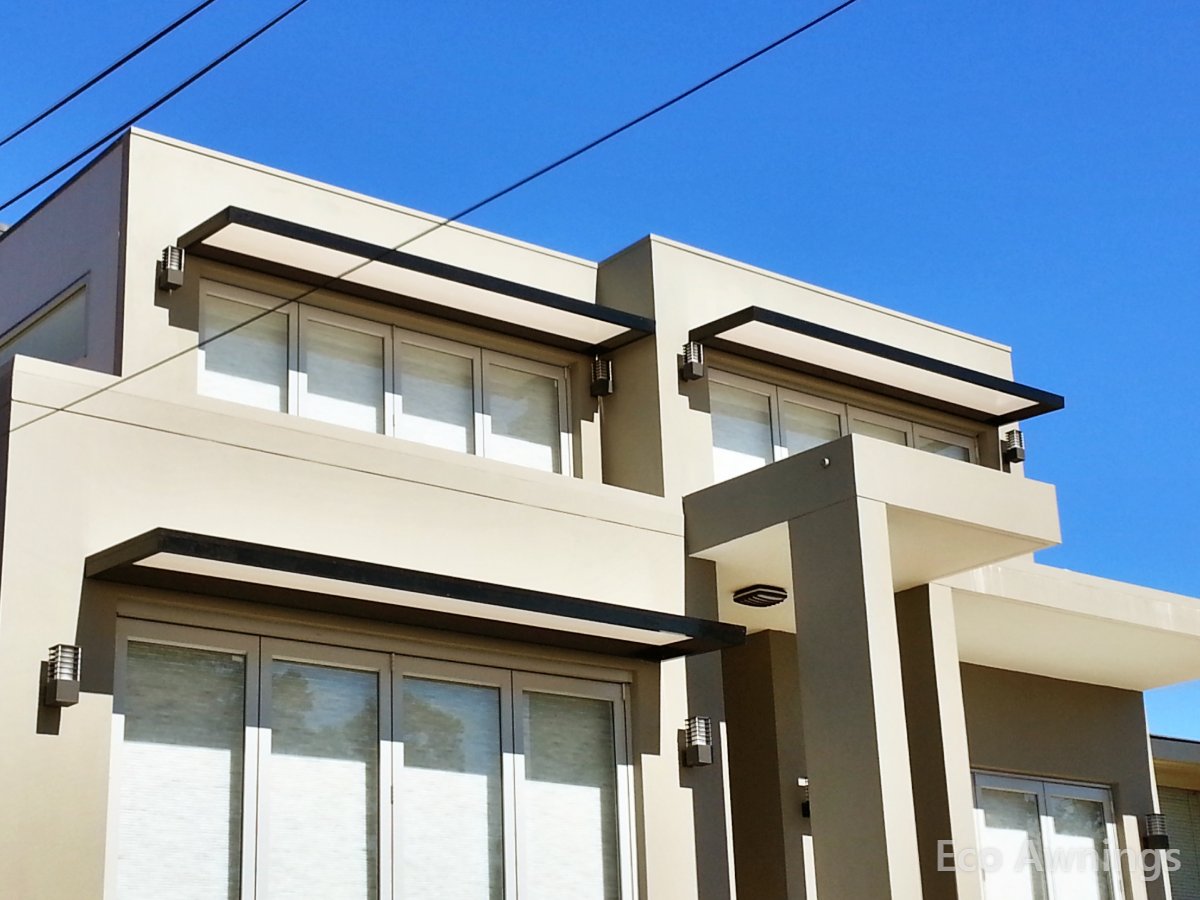 The awning way: three Slimline 100s in black, run across the full width of each opening. See window & door awnings →
Windows are where the look decides it. Canopies sit ON the house — you can always see where one thing ends and the other begins. Awnings read as PART of the house: powder coated to your colour, sized to the glass, running clean lines the architecture can claim as its own.
Round Three
The gable entry
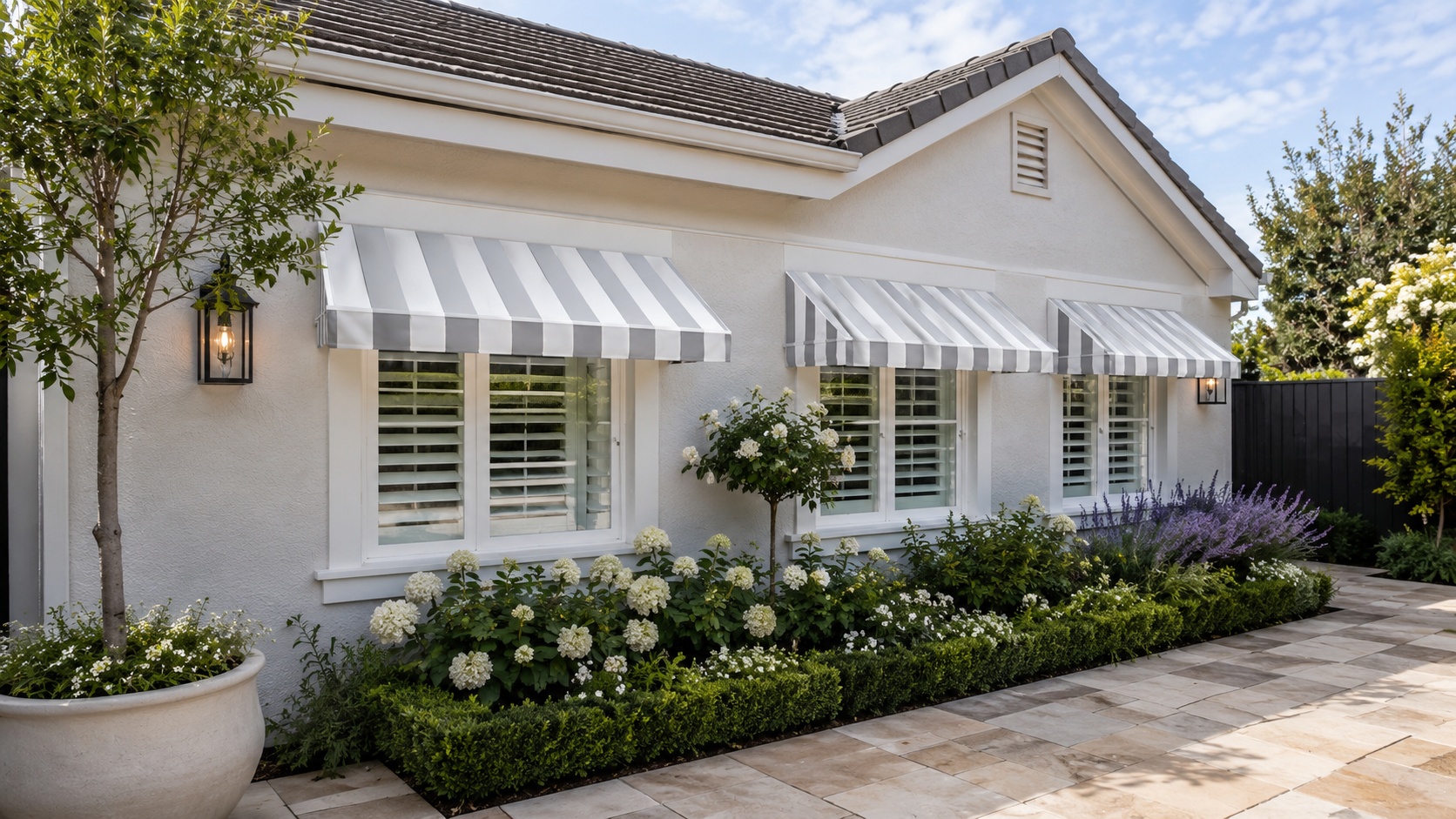 The canopy way: covers added onto the facade of a gable home.
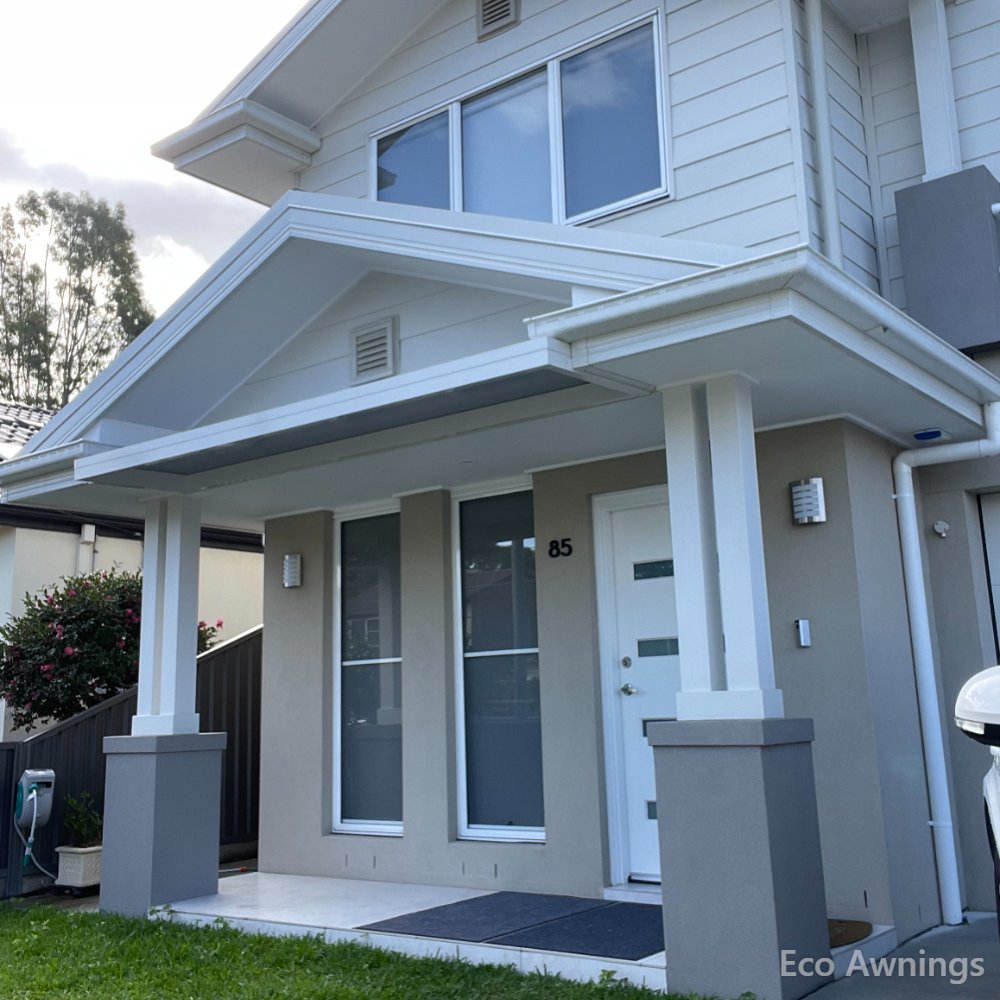 The awning way: a Slimline tucked UNDER the gable — sealing the entry without changing the street view. See window & door awnings →
This round is the whole argument in one picture. The canopy solution adds shapes onto the front of the house. The awning solution works inside the architecture — up under the gable, invisible from the street, doing the weather work where an open gable lets rain through. Custom manufacture is what makes that possible.
The Long Game
How long does each one last?
You do not have to take our word on this one — the fabric cover industry publishes its own numbers. Their guides put fabric covers at 5 to 15 years: canvas can fade in as little as five, vinyl-coated fabrics go brittle around eight, and even the best acrylic needs proper care to see fifteen. One American awning company puts the comparison plainly: canvas may fade within five to eight years, while aluminium models can exceed twenty. Canopy makers publish the same pattern for their own materials: fabric covers 8 to 12 years, polycarbonate panels 10 to 15 before yellowing sets in, and powder coated aluminium 20 to 25 plus — the option their guides call set-and-forget. That last one is what we build.
The maintenance lists are theirs too: re-treat the fabric every few years, scrub mould off with a soft brush, and bring retractable covers in when a storm is coming. A Slimline 100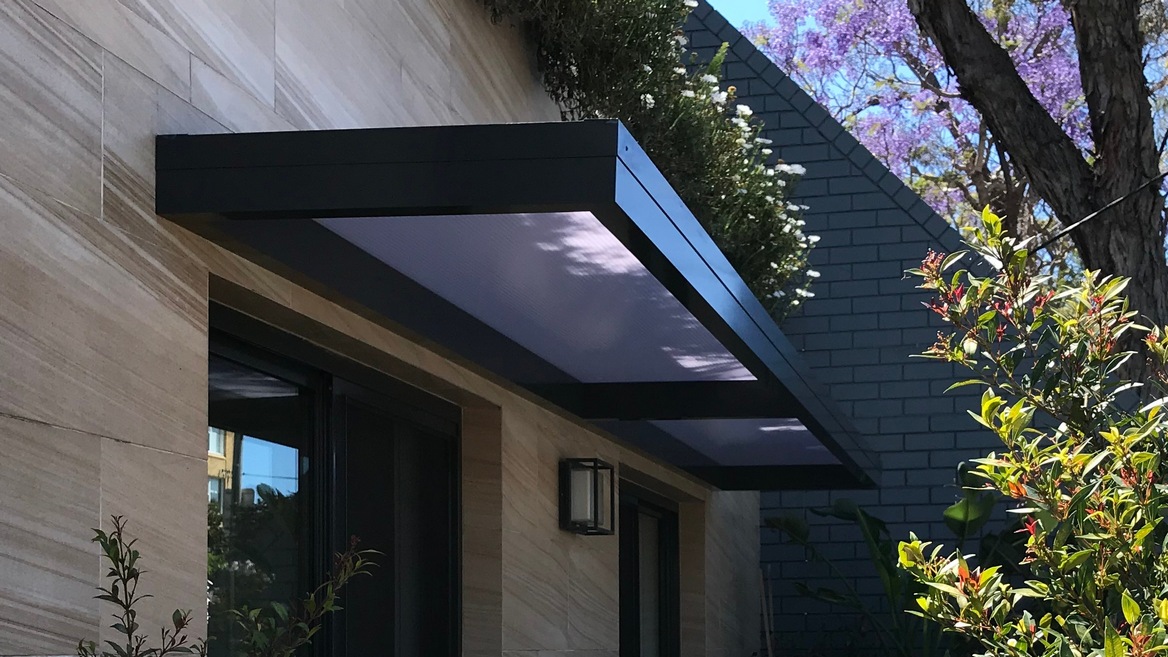 The Slimline 100 — welded aluminium, no visible brackets.See the Slimline 100 → stays out in every storm Sydney throws at it — welded aluminium frame, powder coated finish, polycarbonate roof. Nothing to re-cover, nothing to fade, nothing to bring inside.
Heat is the other half. The Australian Government’s YourHome guide ↗ says effective external shading blocks up to 90% of solar heat — and that works best when the shade is sized and placed for the exact opening, which is precisely what made-to-measure means.
Honest Advice
When is a canopy the right choice?
Sometimes it is — and we would rather tell you than sell you. If you are renting, if the budget is tight, or if you need a short-term fix over a door until a bigger project happens, an off-the-shelf canopy does a job for the money. Plenty of homes run one for years.
But if you own the place and you are buying shade you want to still like in twenty years — shade that fits your openings, matches your colours and never asks for a re-cover — that is what a custom aluminium awning is for. It costs more than a canopy because it is a different thing: a permanent improvement, not an accessory.
Questions We’re Asked
Awnings and canopies — quick answers
Are awnings and canopies the same thing?
No. A canopy is a lighter cover — dome or wedge shaped, fabric or thin sheeting on a slim frame — fixed to the wall above a door or window. An awning is a fixed shade structure built for the opening; ours are welded aluminium with polycarbonate roofing, made to measure in Sydney.
Does a canopy count as an awning?
People use the words loosely, and shops sell “canopy awnings.” Both can be made to measure — the practical difference is the build: canopies use light frames with fabric or thin panels, while an architectural awning is welded aluminium with polycarbonate roofing, fixed as part of the building.
What are the disadvantages of awnings?
Fabric awnings fade, grow mould and need re-covering — the fabric industry’s own guides say so. Those problems belong to the fabric, not the awning: a welded aluminium awning with a powder coated finish and polycarbonate roof avoids all three, at the cost of a higher up-front price than a throwaway cover.
Why don’t we use awnings anymore?
We do — what died was the saggy fabric look. Modern aluminium awnings are part of the architecture: clean lines, concealed brackets, colours matched to the house. Australian government guidance still names external shading as the single most effective way to keep summer heat out of glass.
Made in Sydney, made to measure. Every awning on this page came out of our Sydney workshop — welded aluminium frames, powder coated in your colour, supplied complete and ready to install.
See Our Full Range
Every one of these is made to measure in our Sydney workshop — tap any picture to have a look.
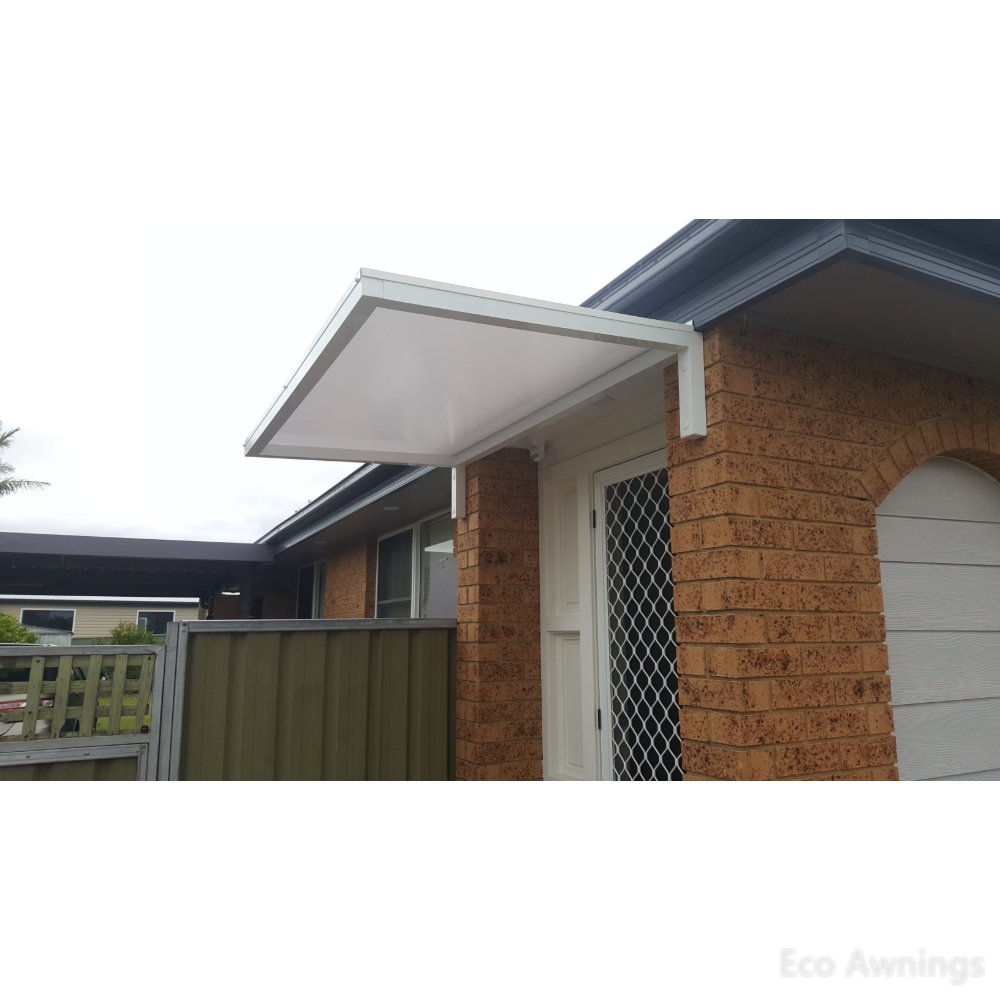 Window & Door Awnings
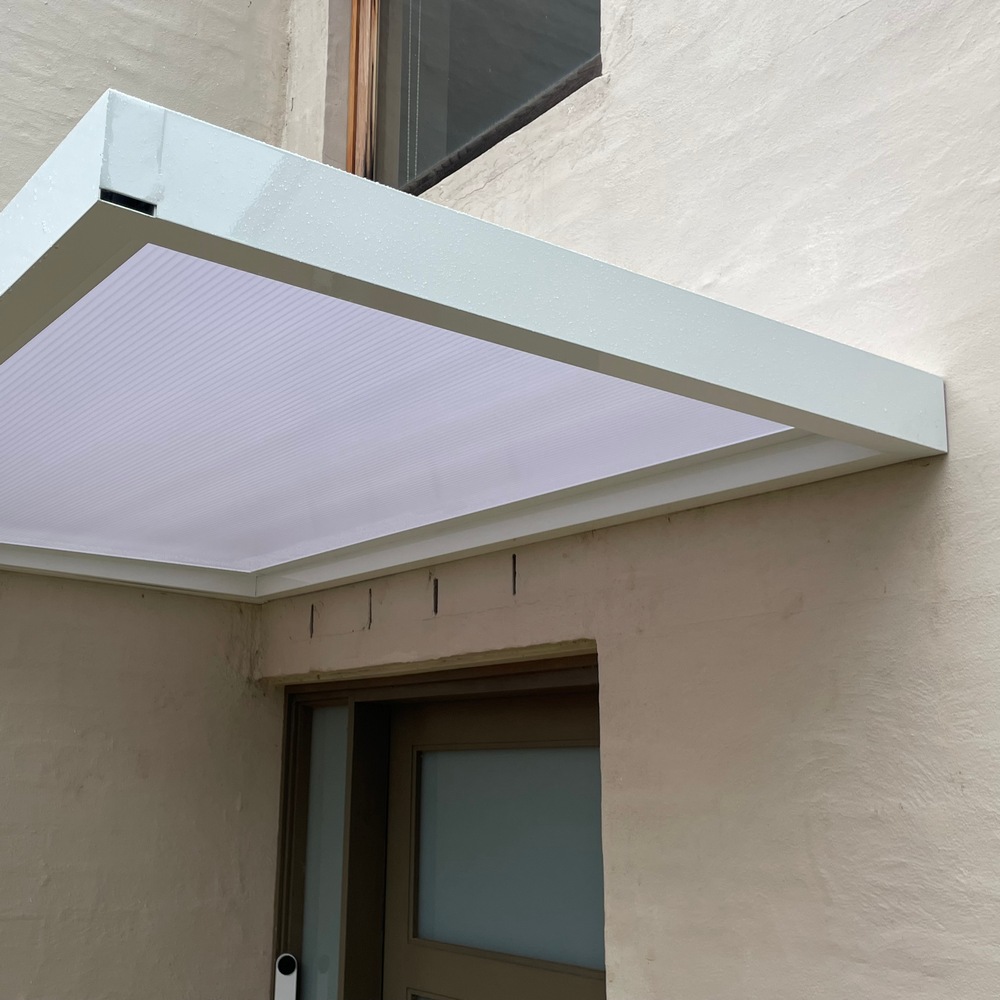 Slimline 100 Internal Gutter
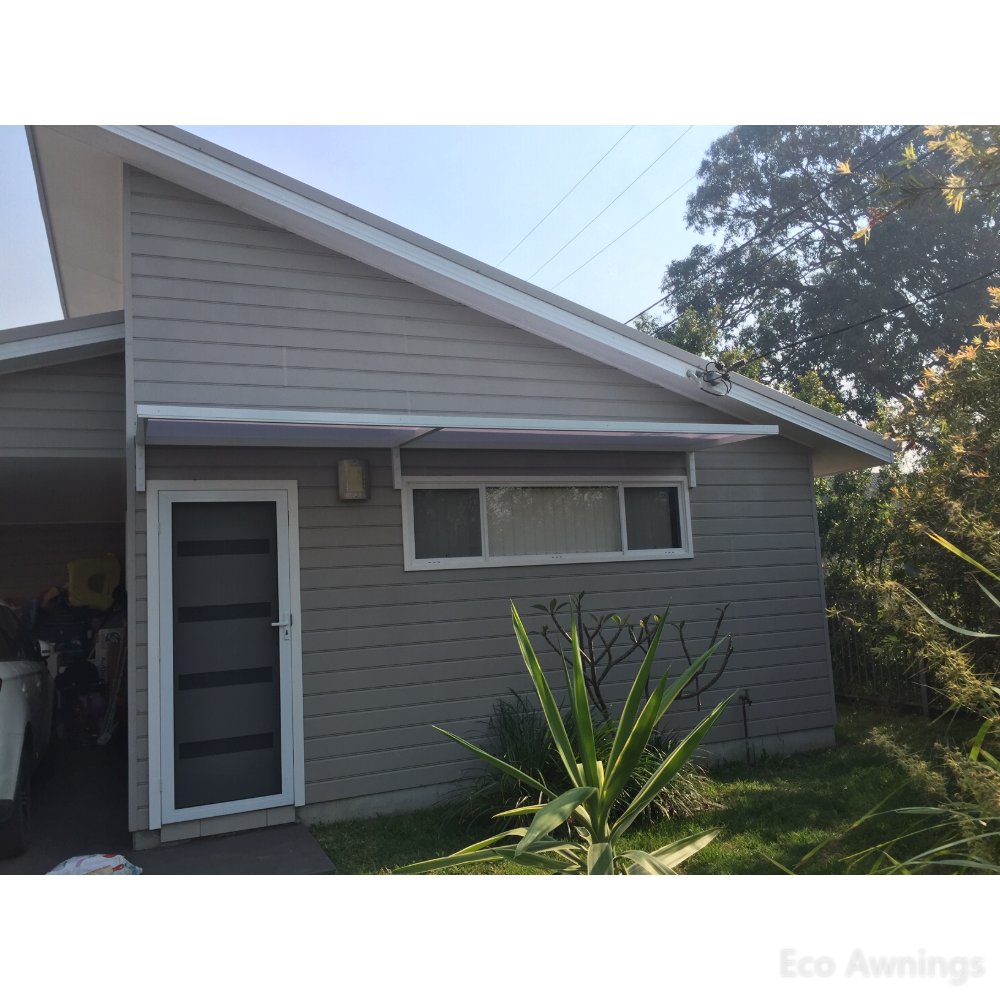 Slimline 50
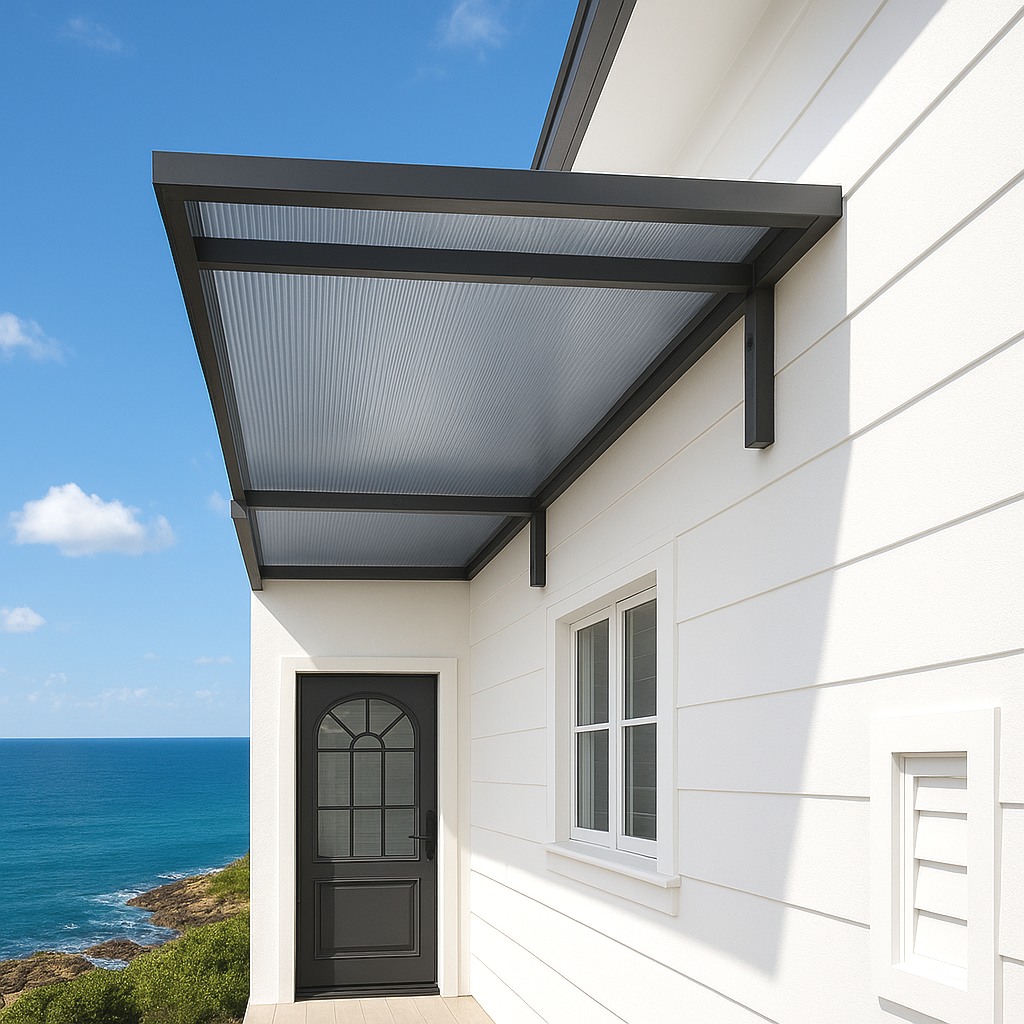 Slimline 50 Cantilever
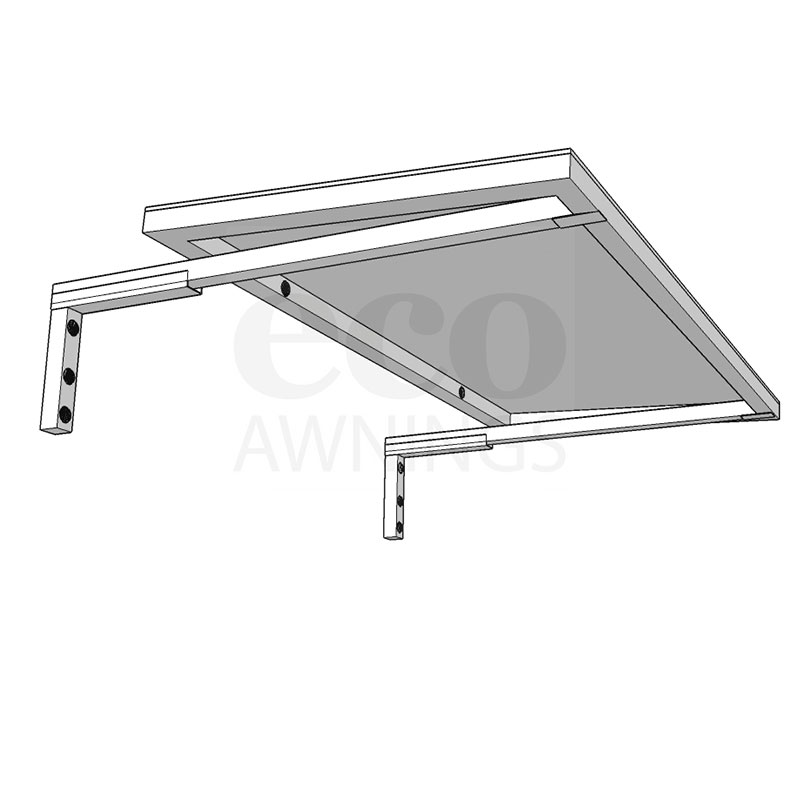 Slimline 50 Under Eave
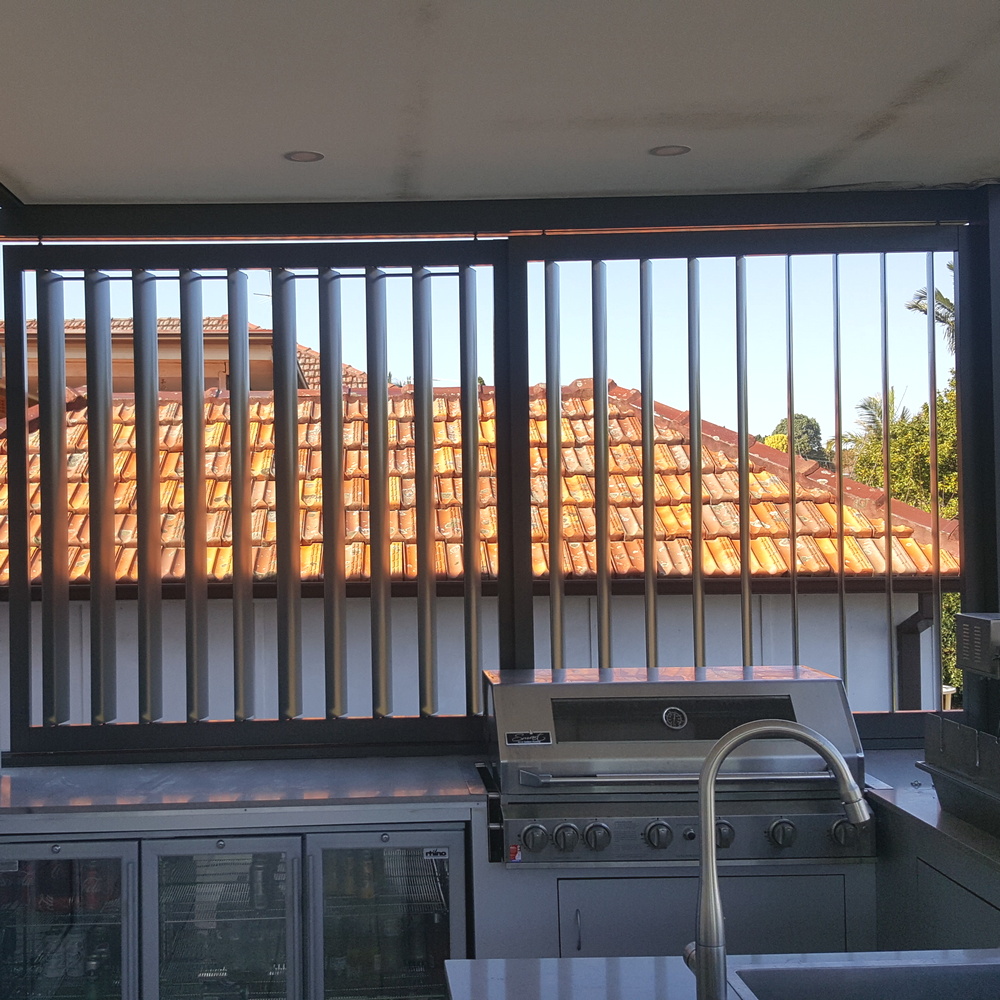 Custom Aluminium Louvres
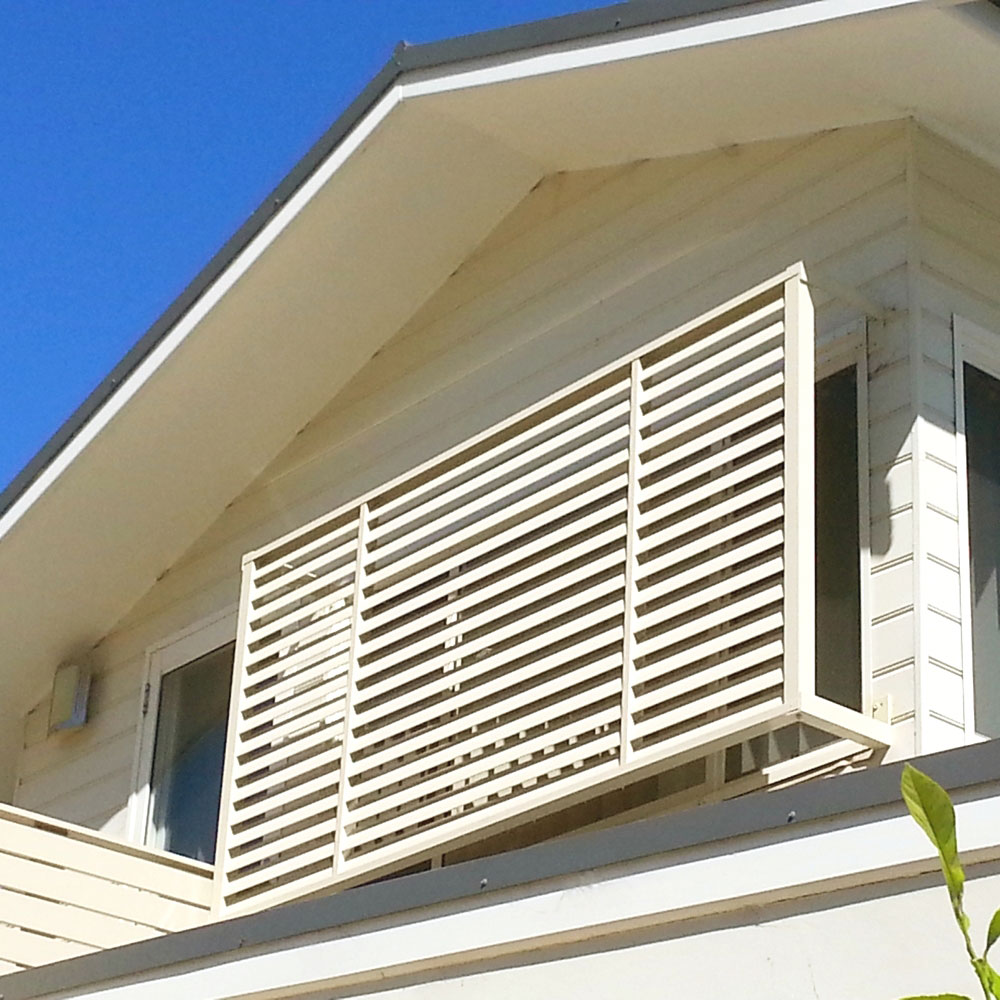 Privacy Screen Louvres
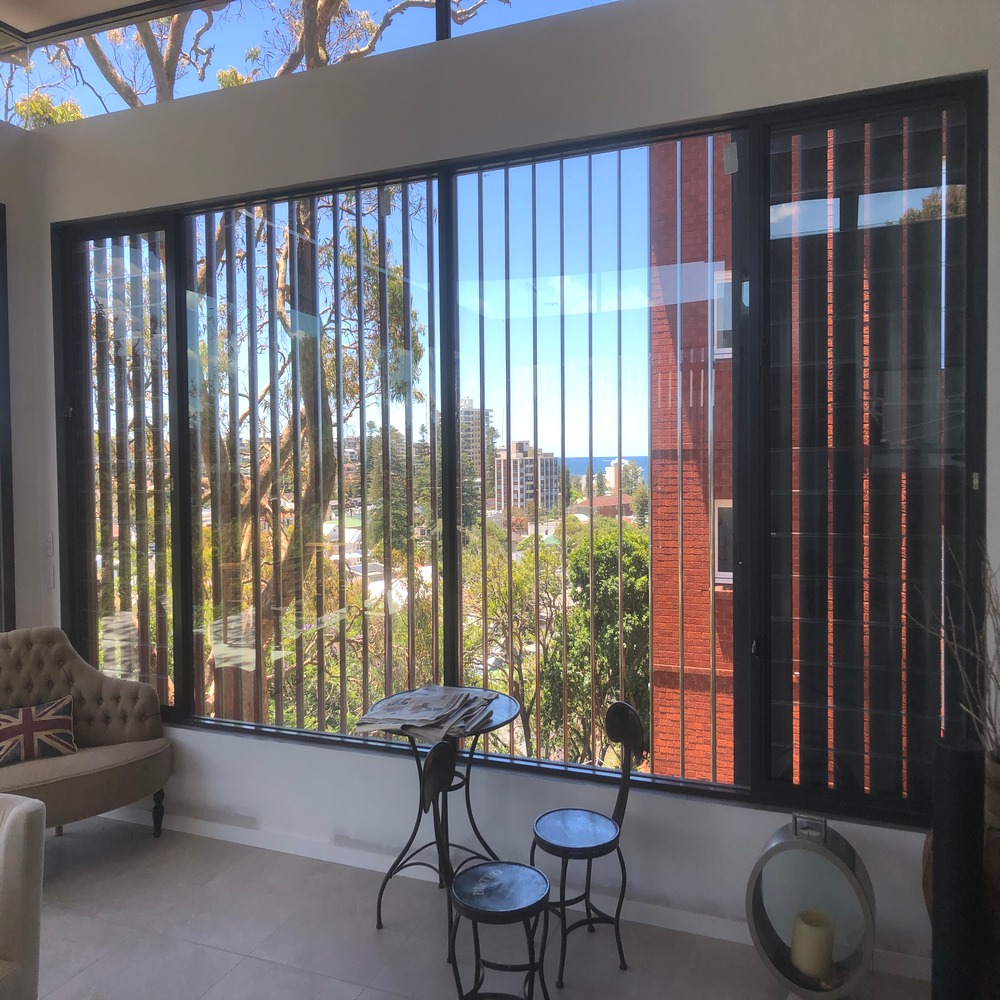 160mm Louvres
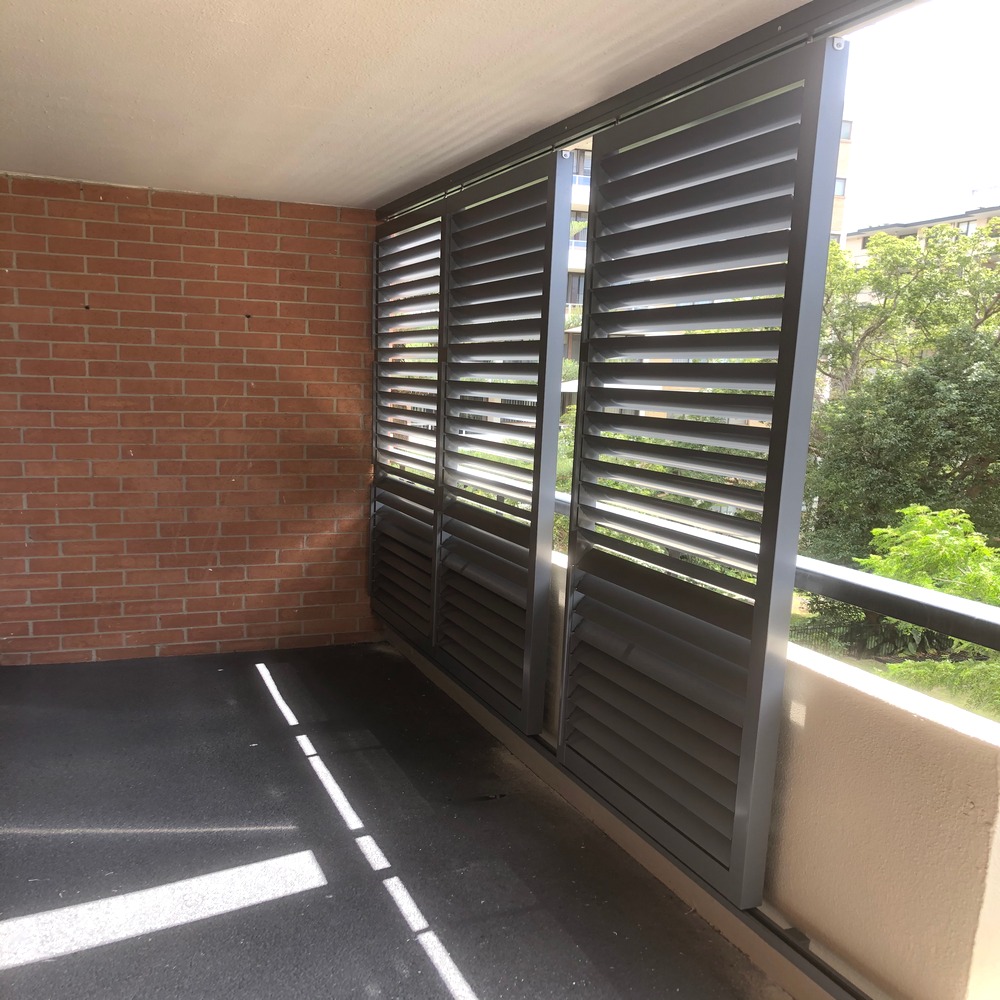 Sliding Louvres
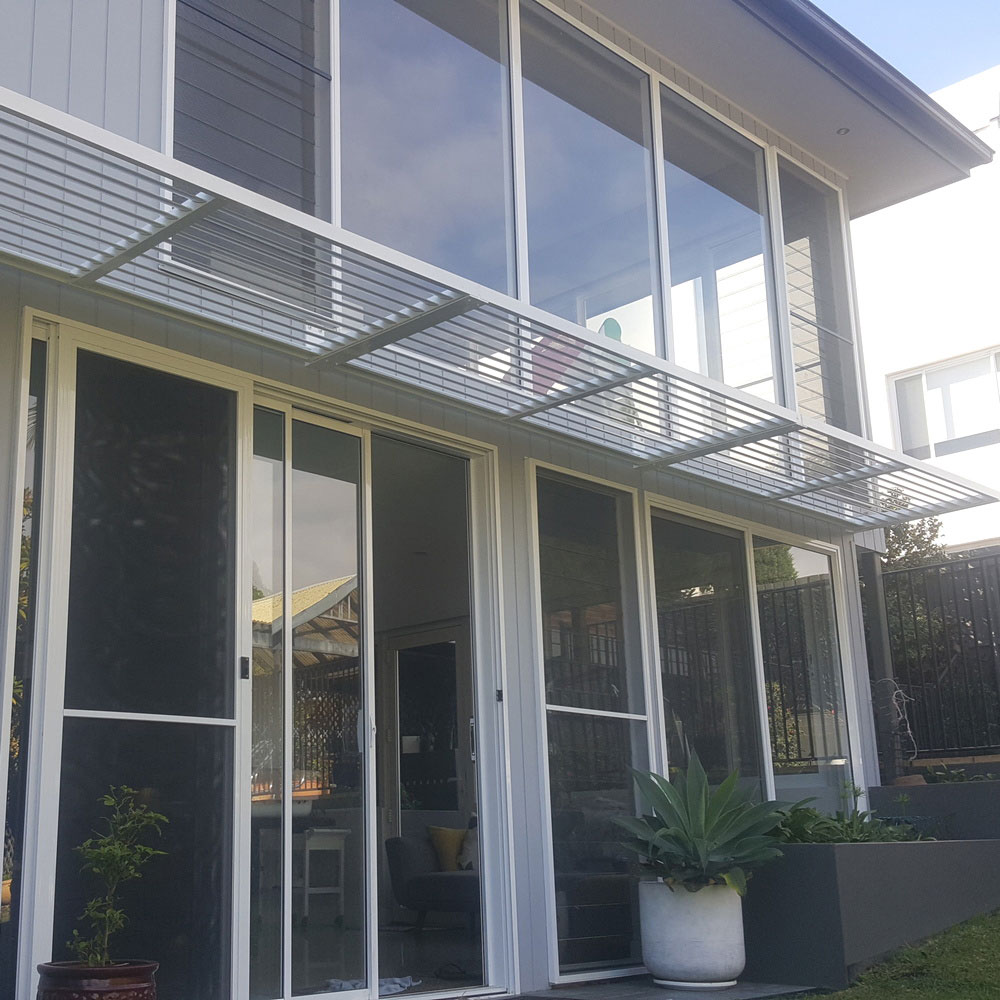 Cantilever Louvres
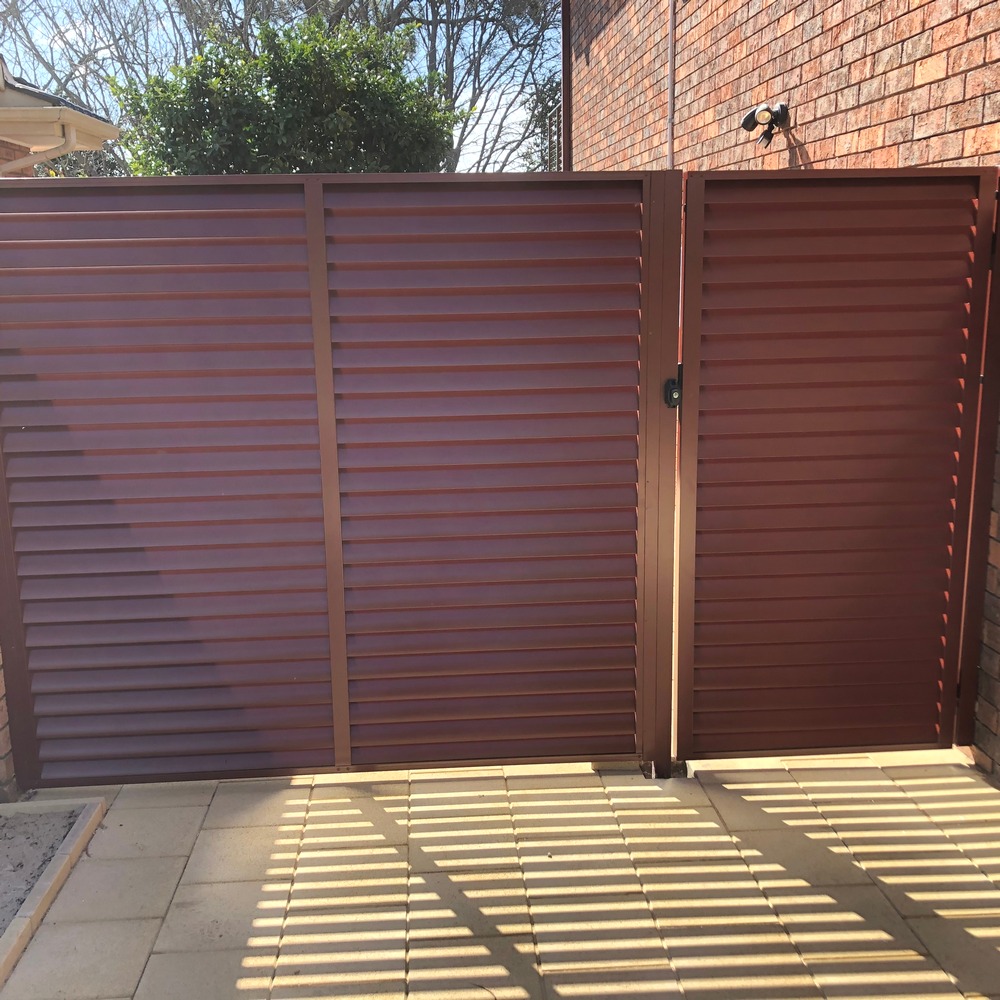 Louvre Fences & Gates