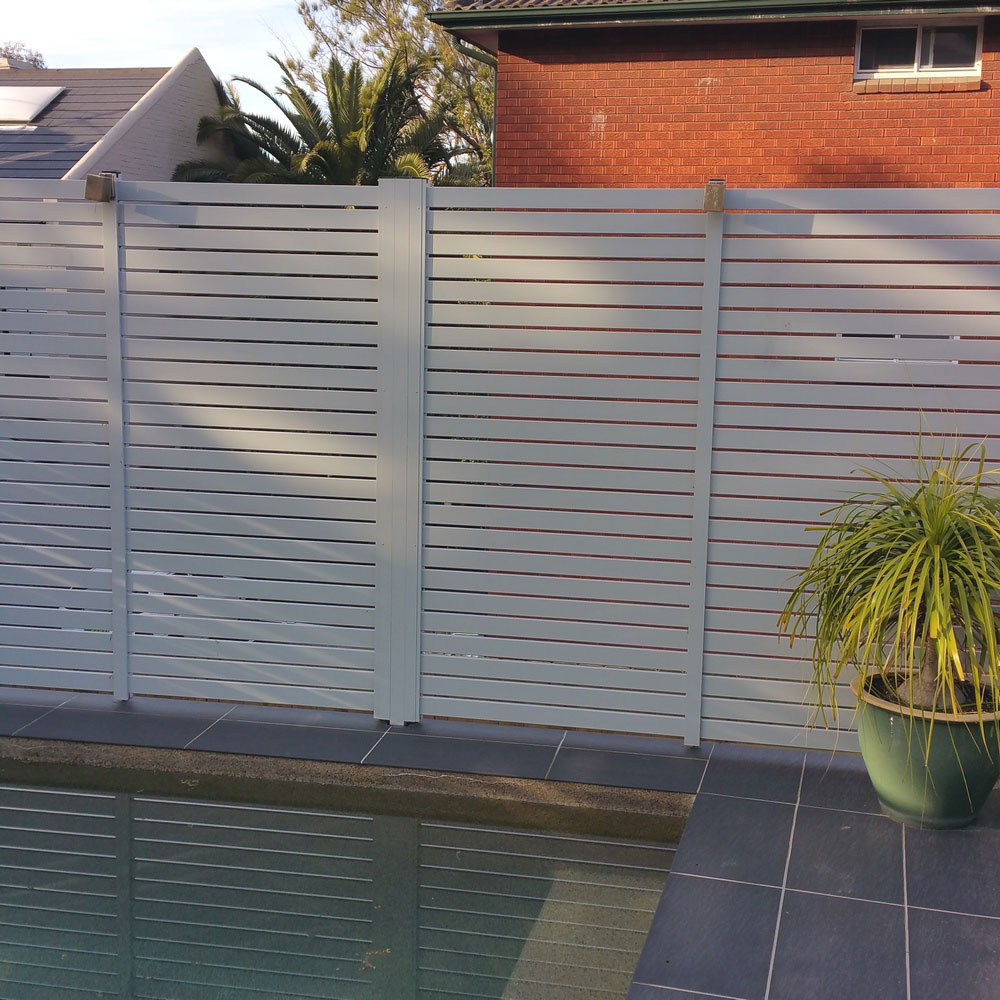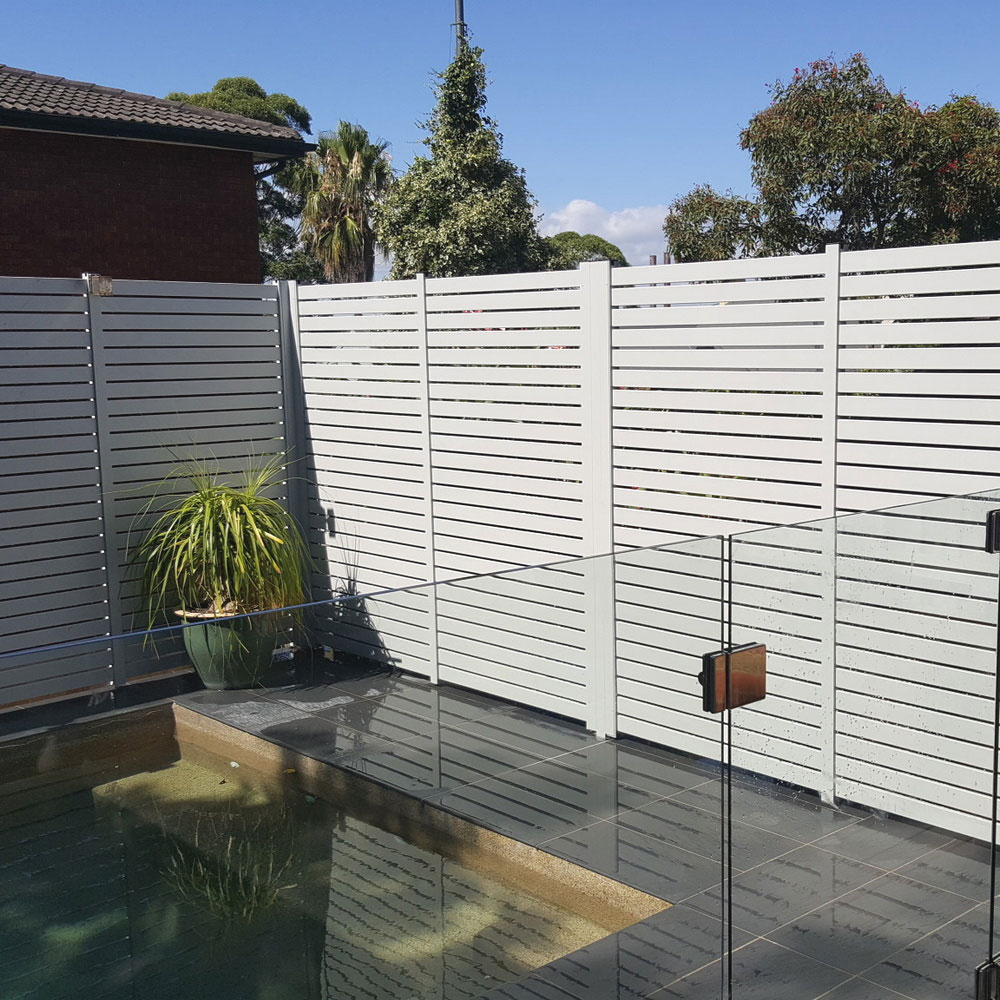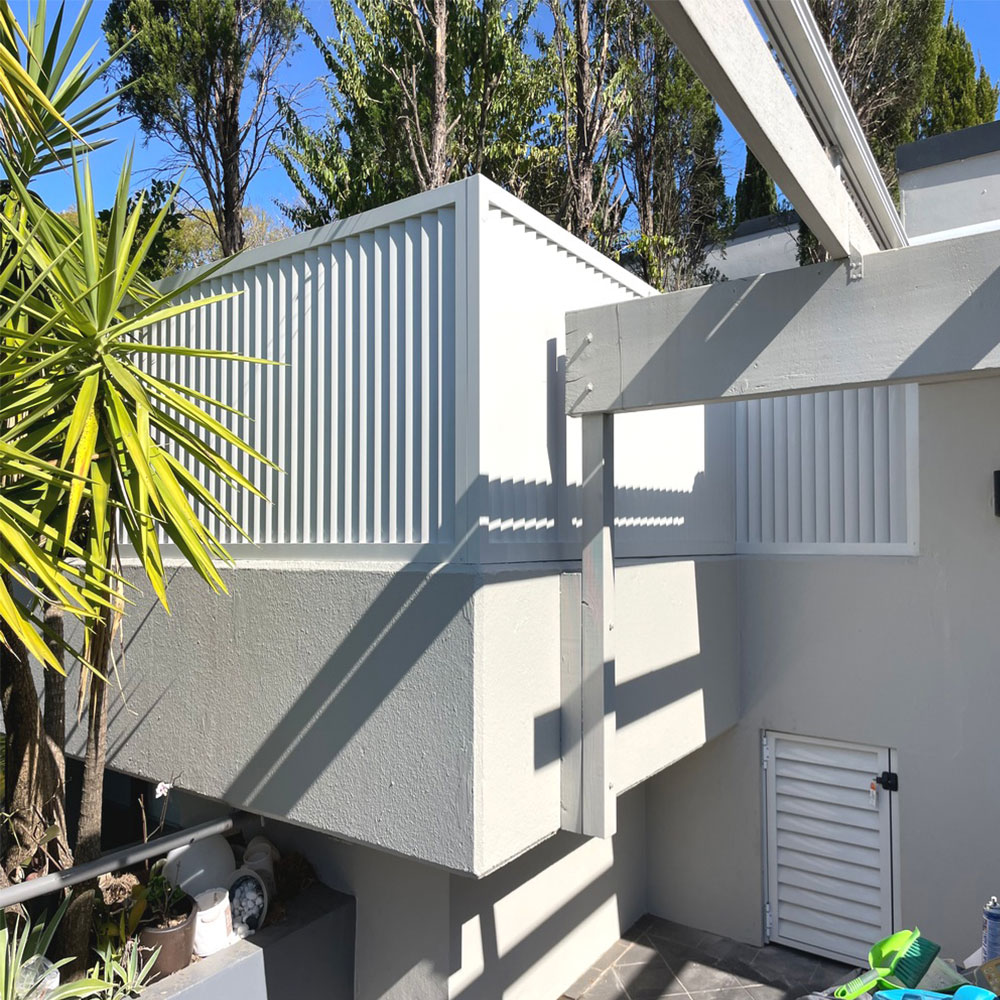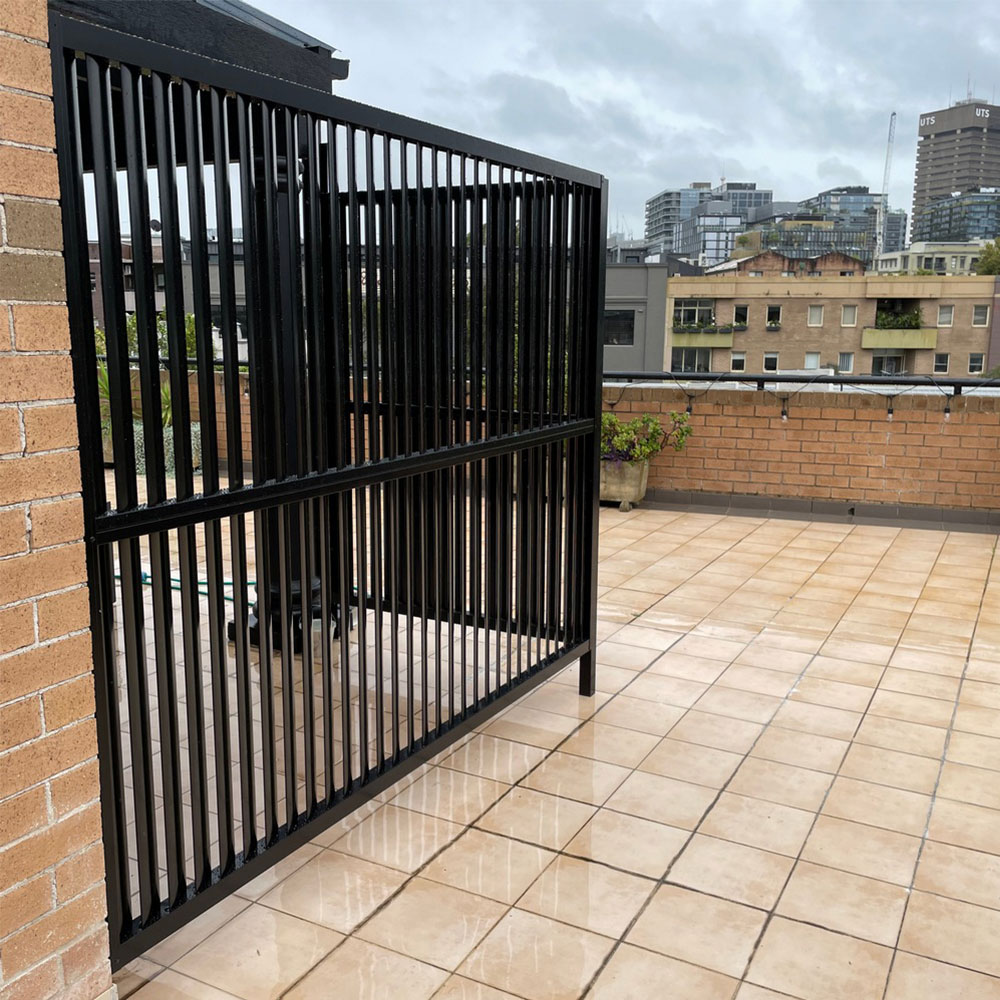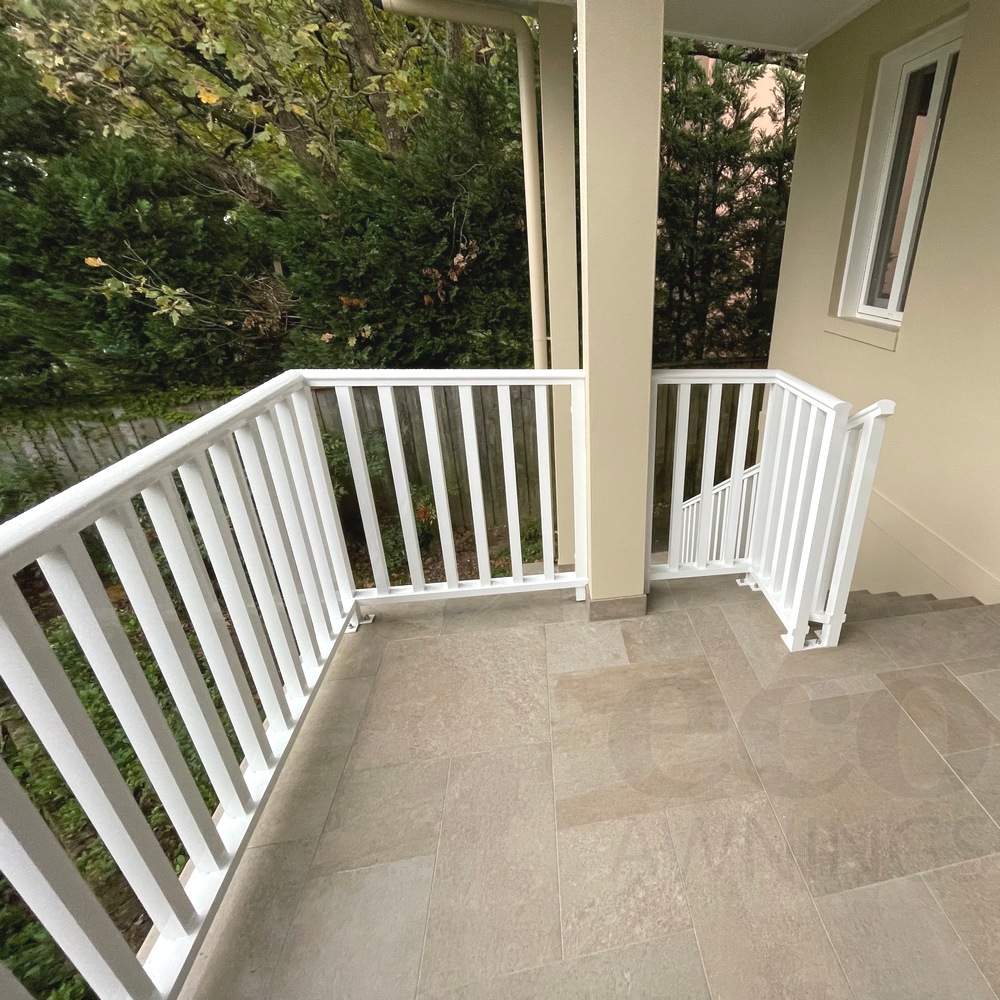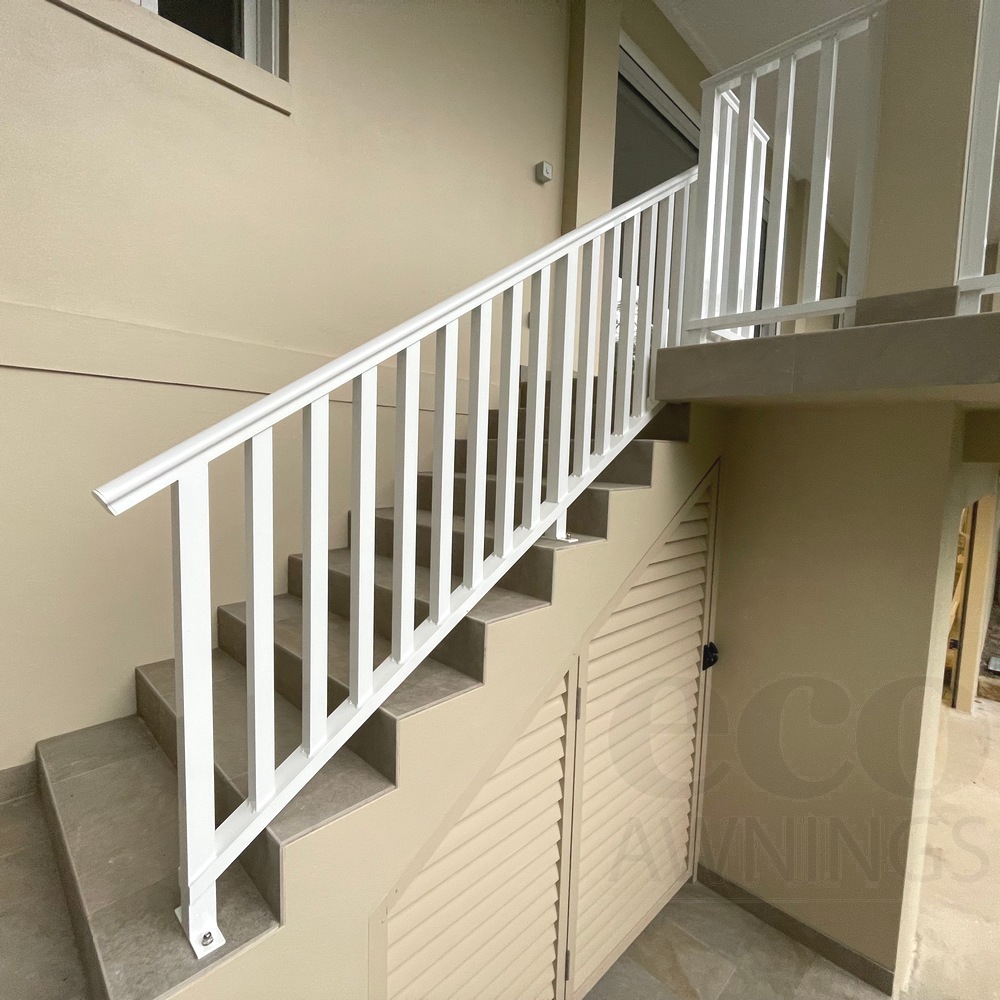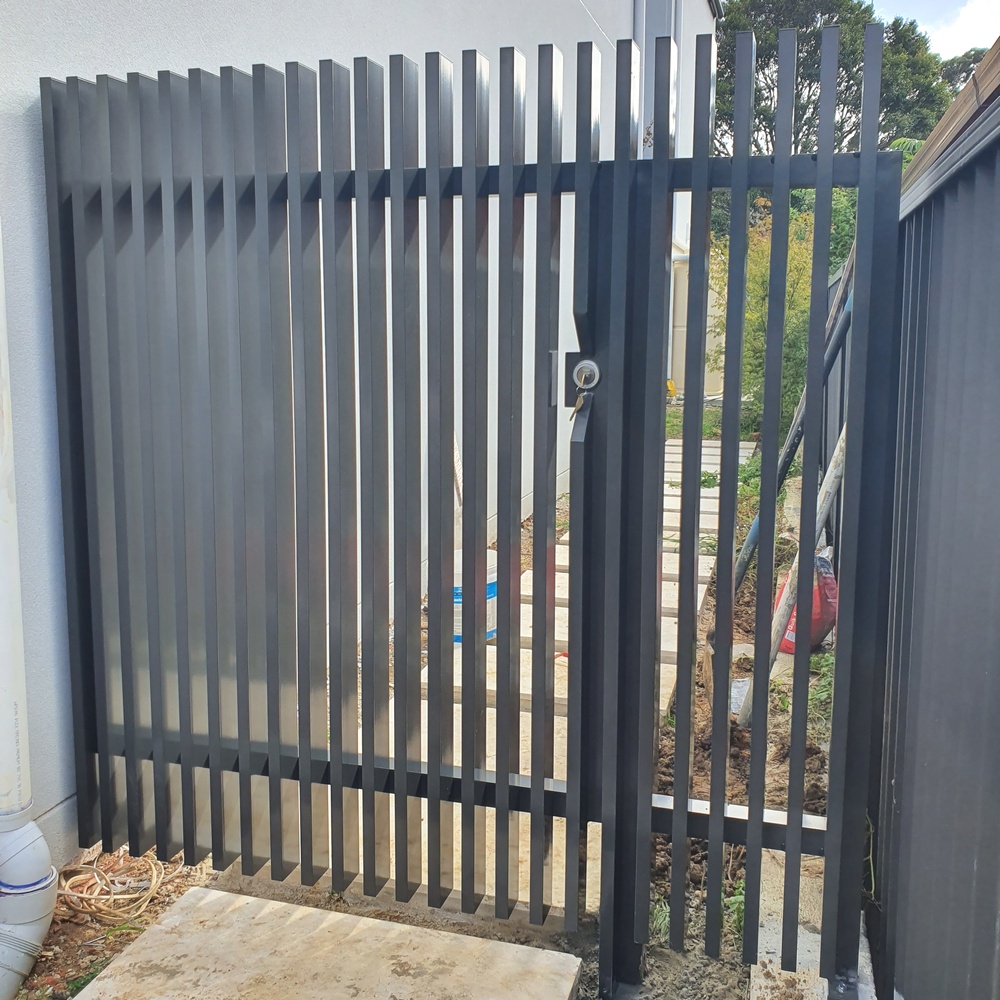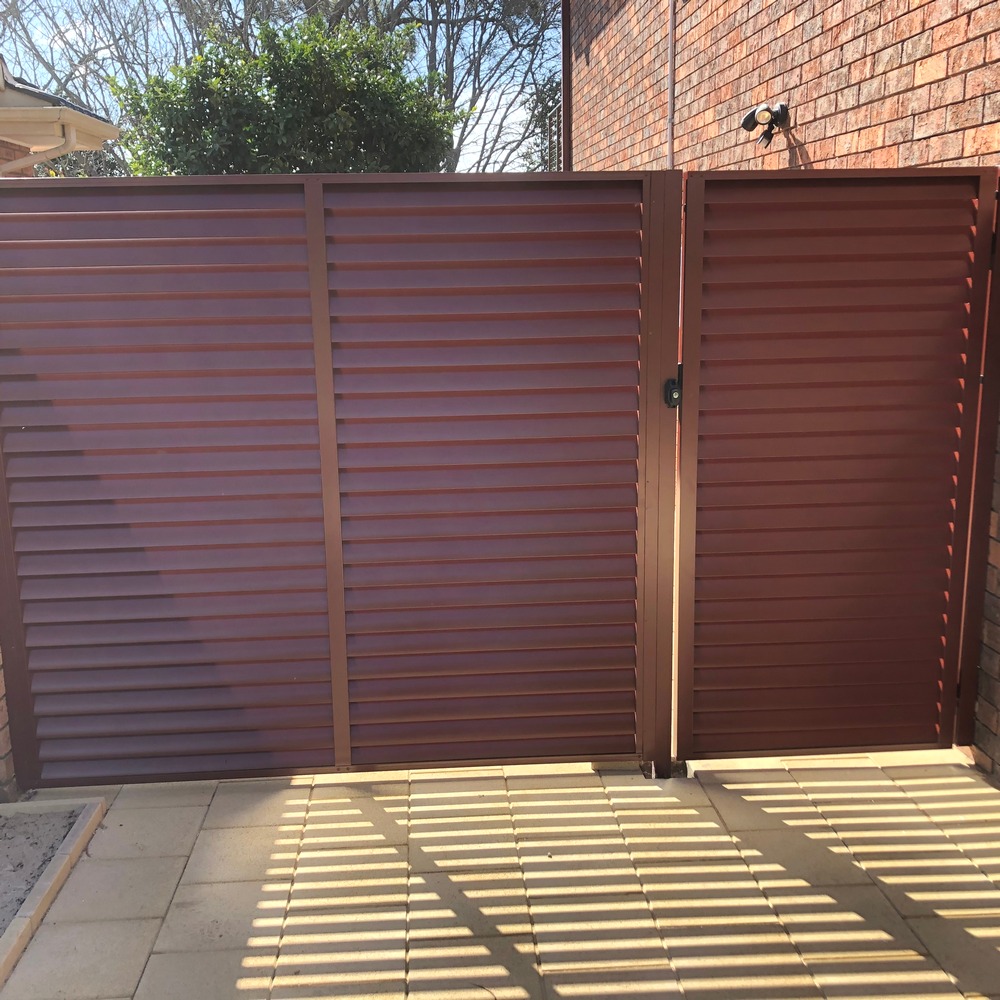

Custom-Made Aluminium Fence and Gates for Privacy and Security
Custom Aluminium Gates & Fencing Sydney
Durable, Low-Maintenance Aluminium
Built to last with powder-coated finishes that resist rust, chipping, and fading in Sydney’s harsh coastal and urban environments.
Custom-Made to Fit Your Space
Every gate and fence is tailored to your exact dimensions, design preferences, and functional needs.
Versatile Styles & Configurations
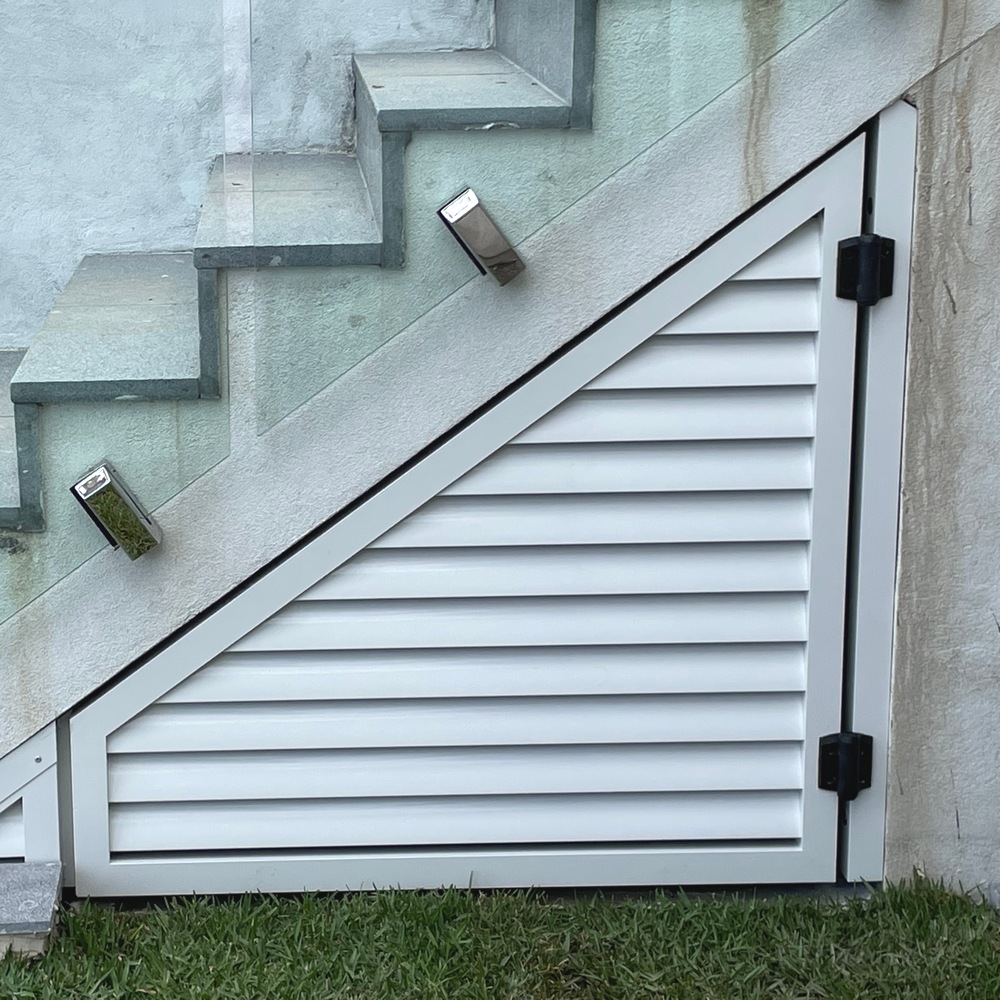
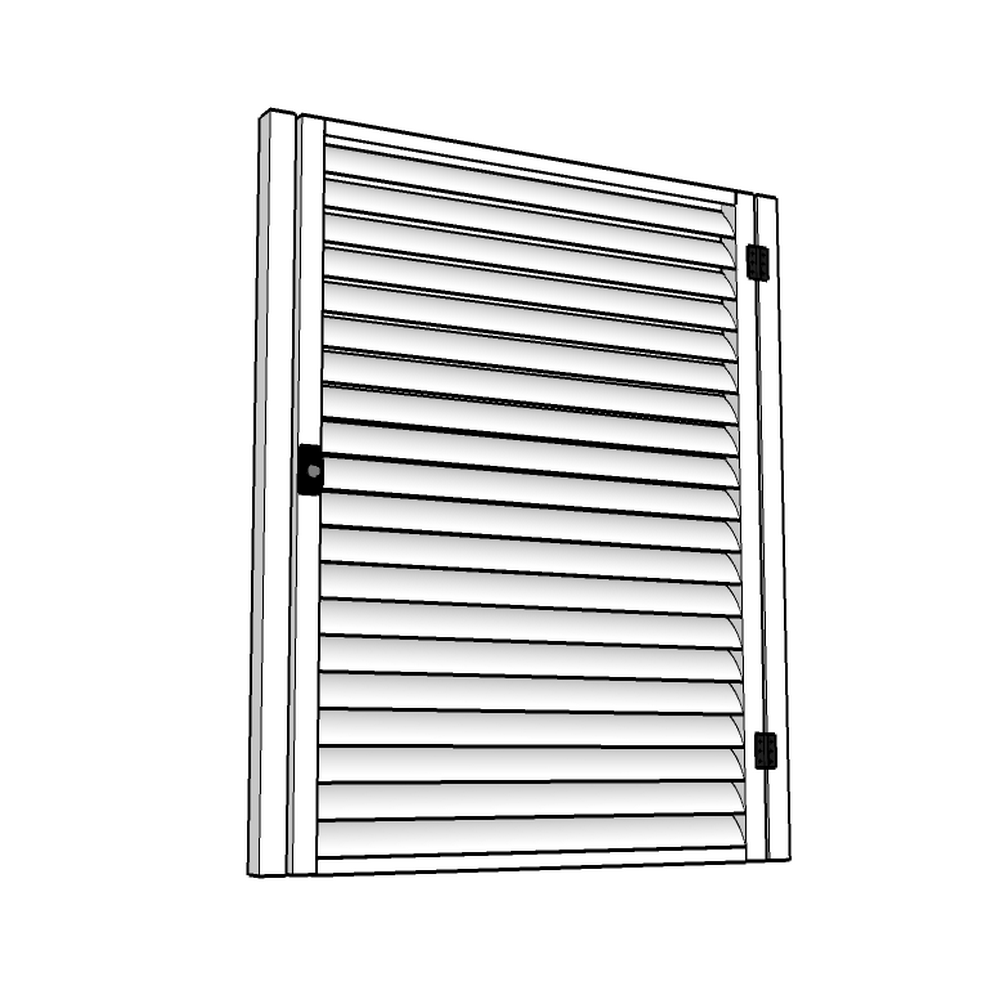
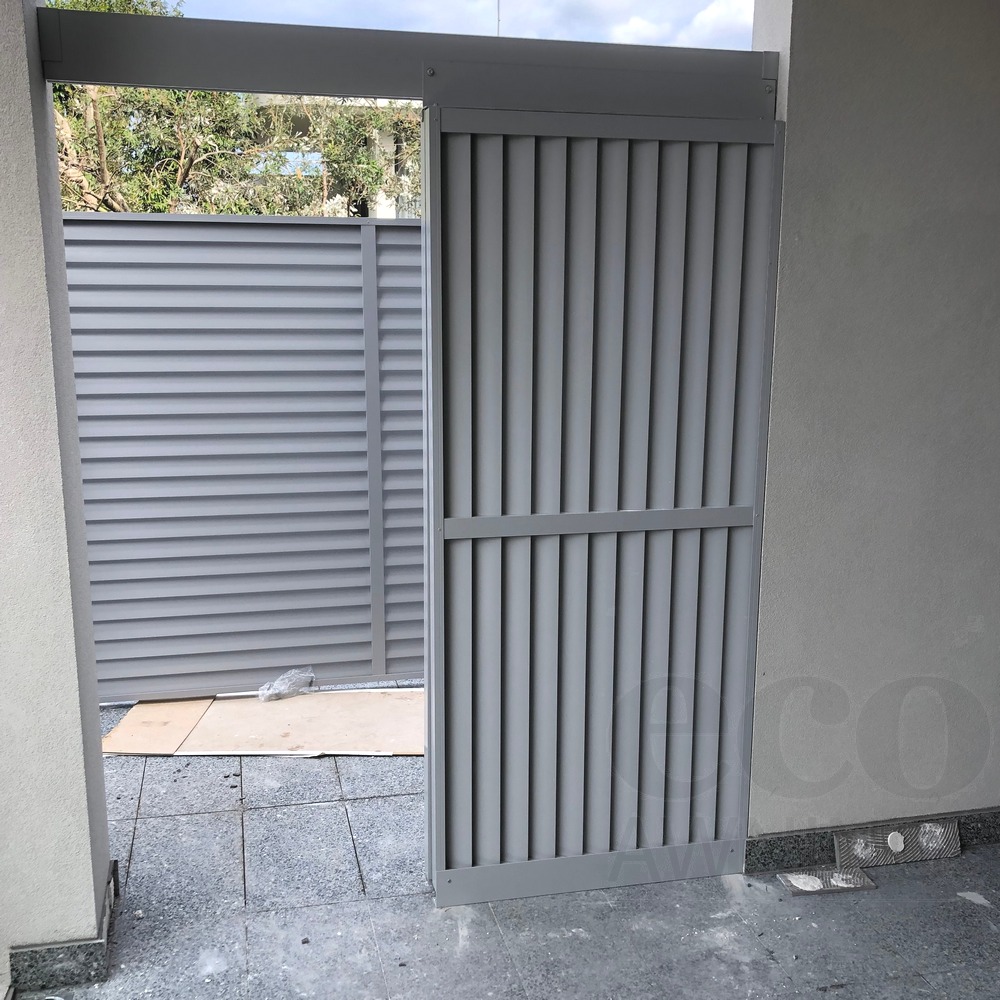
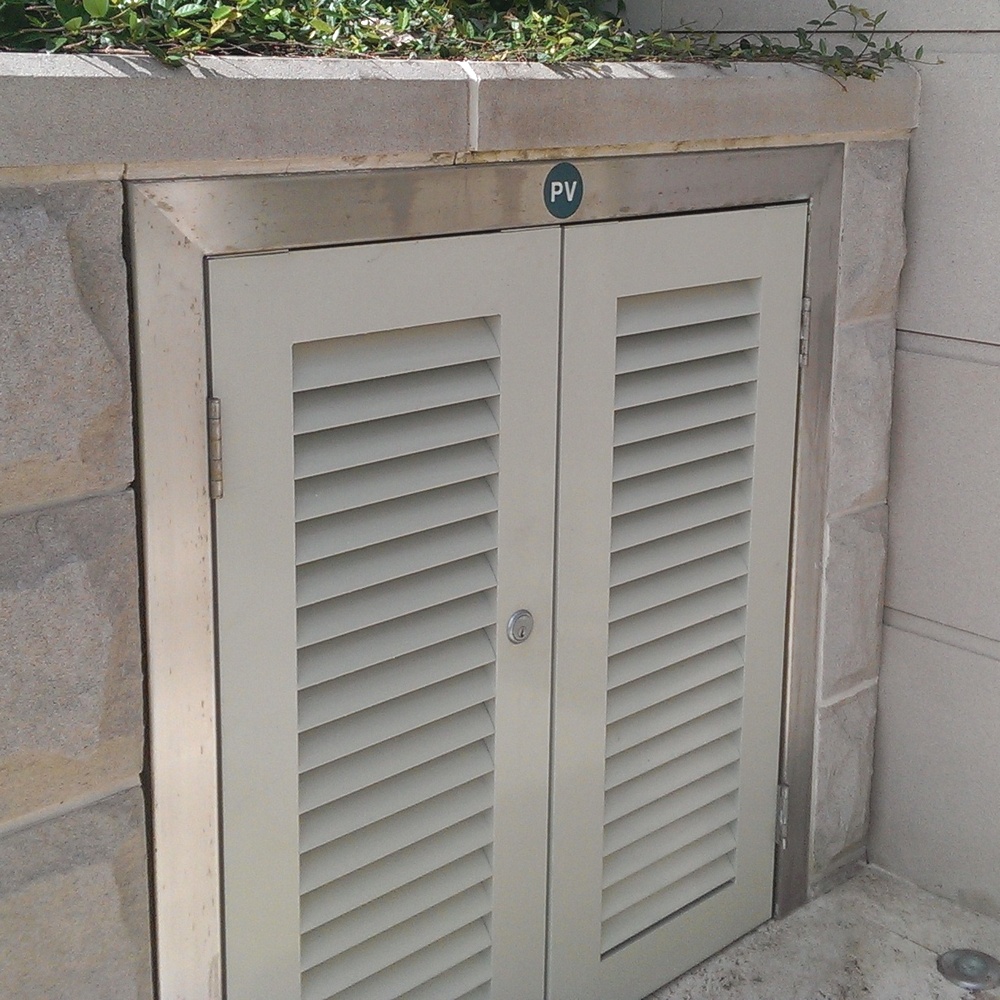
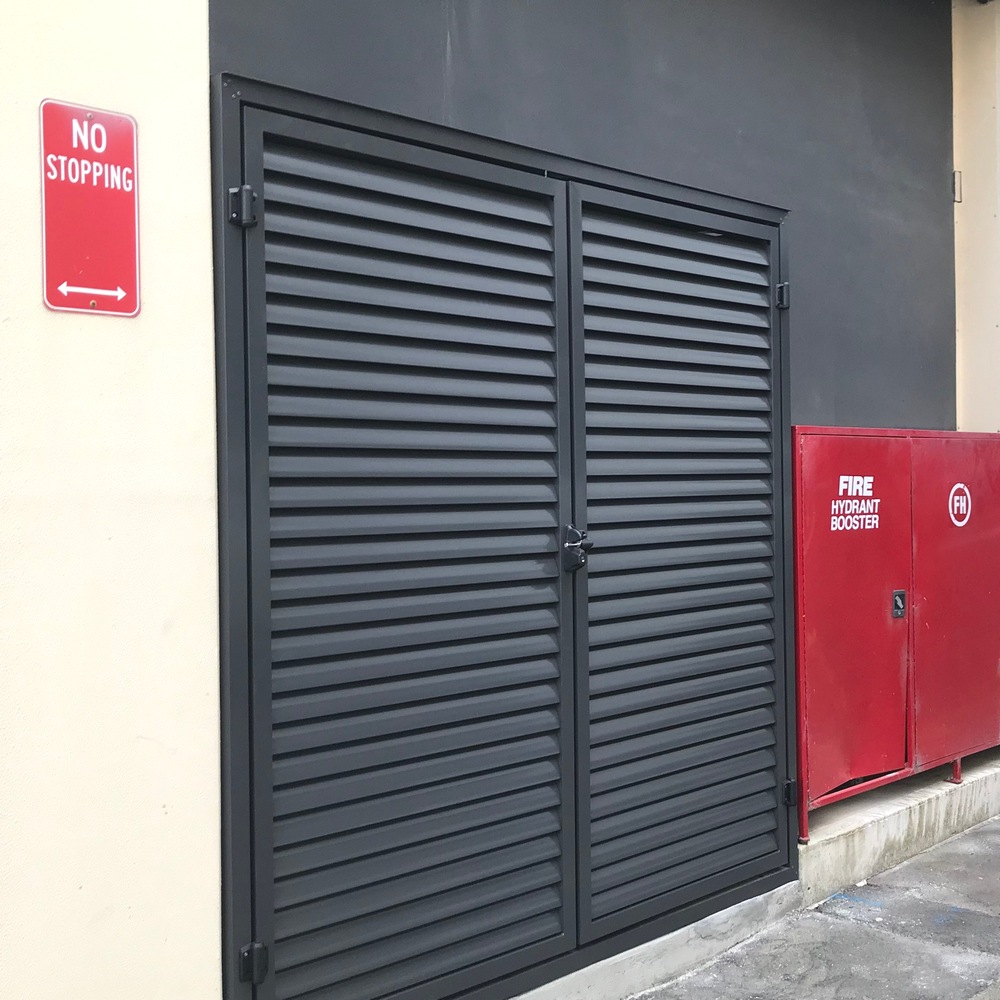
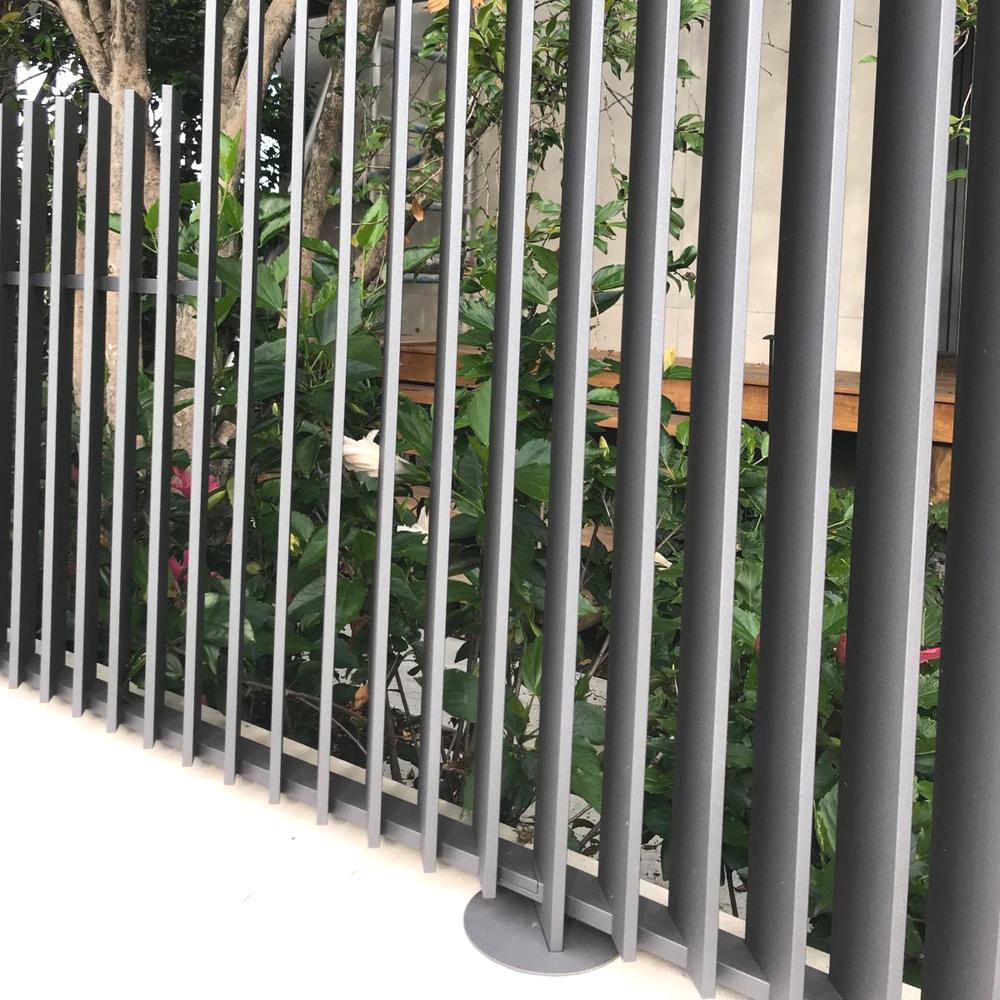
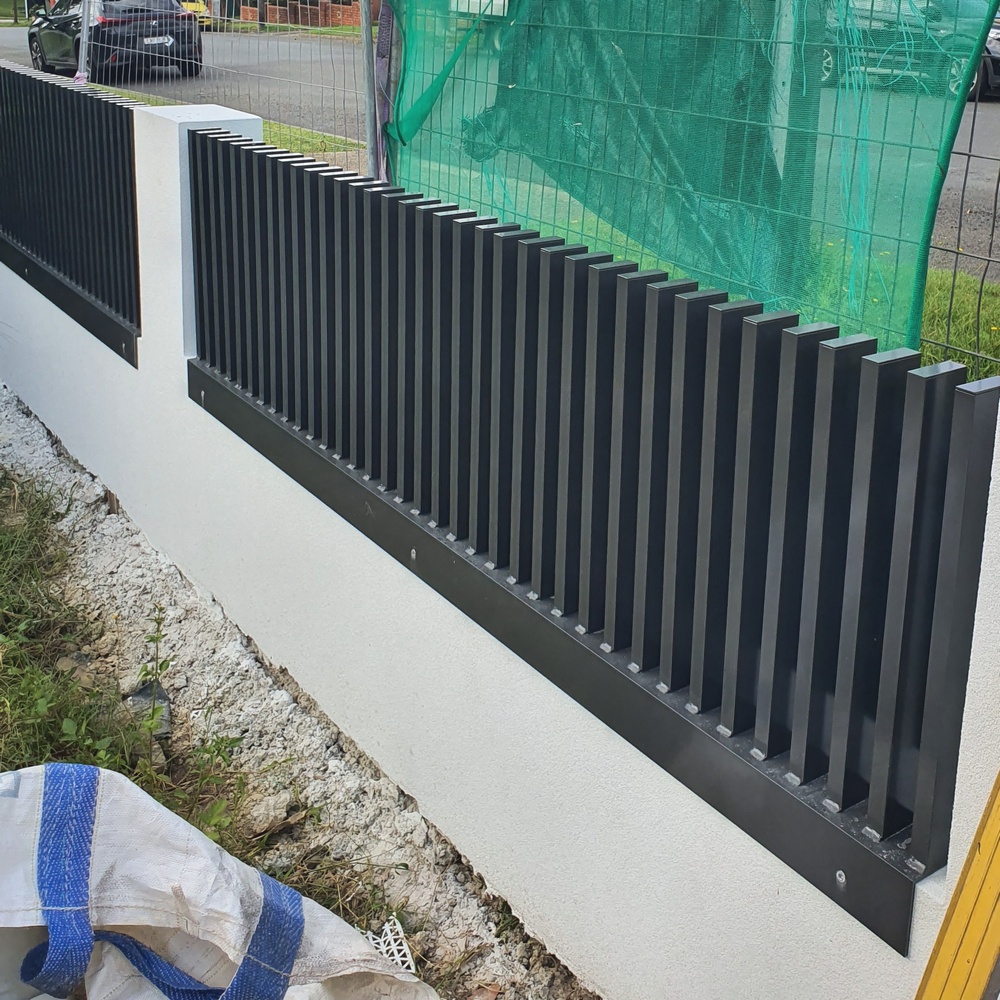
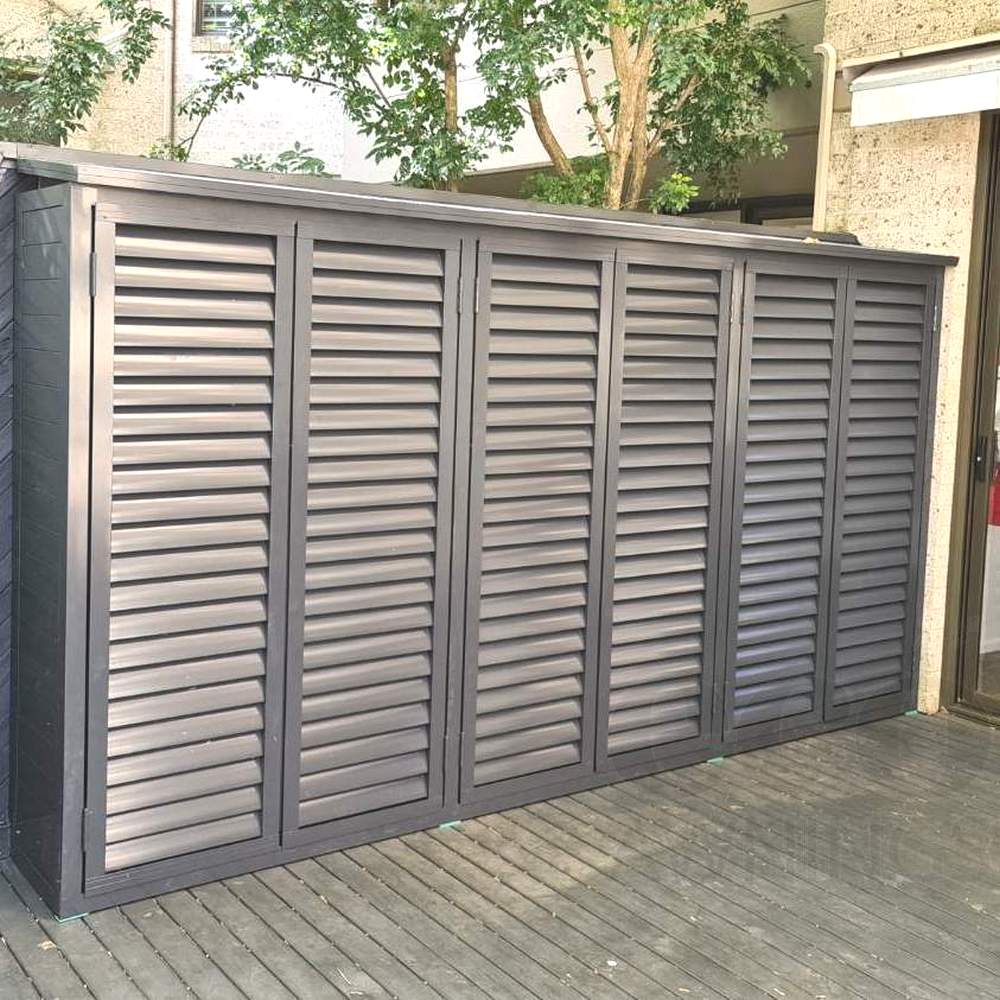
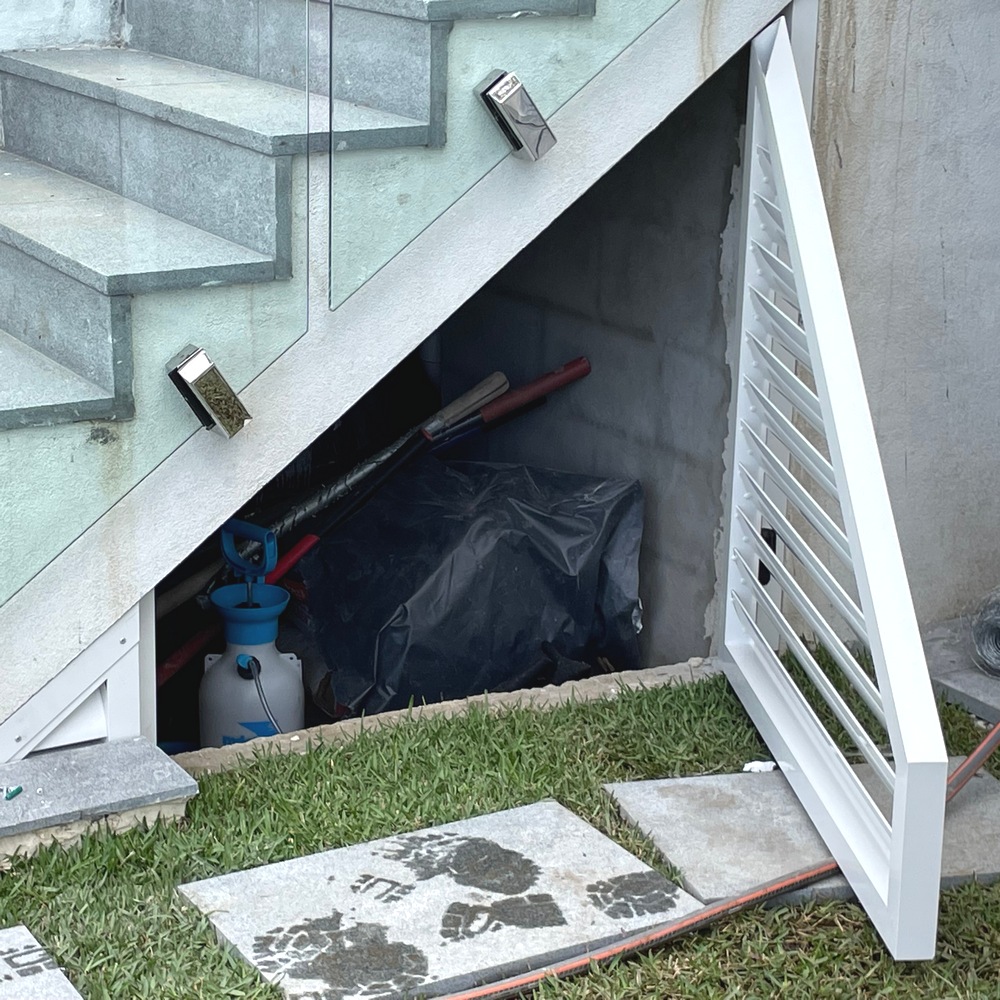
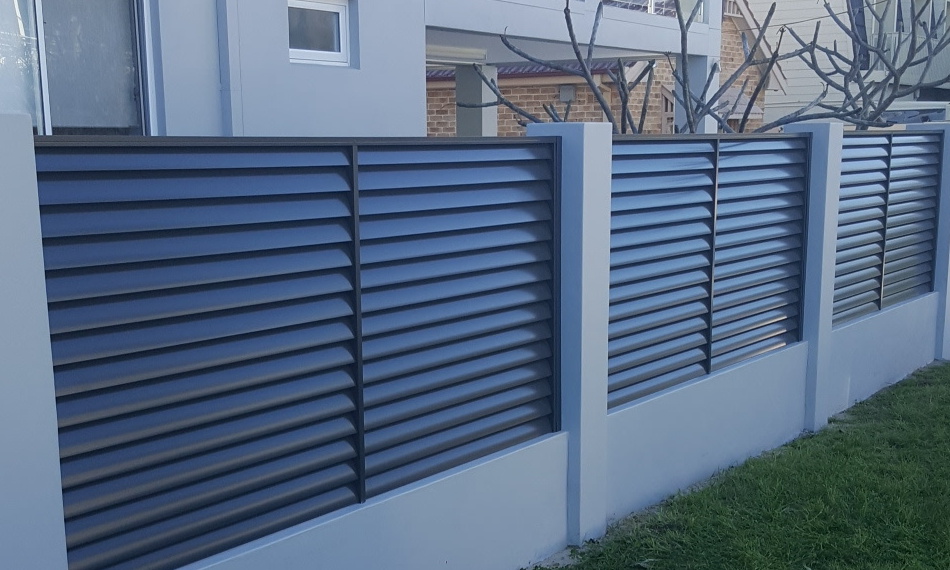
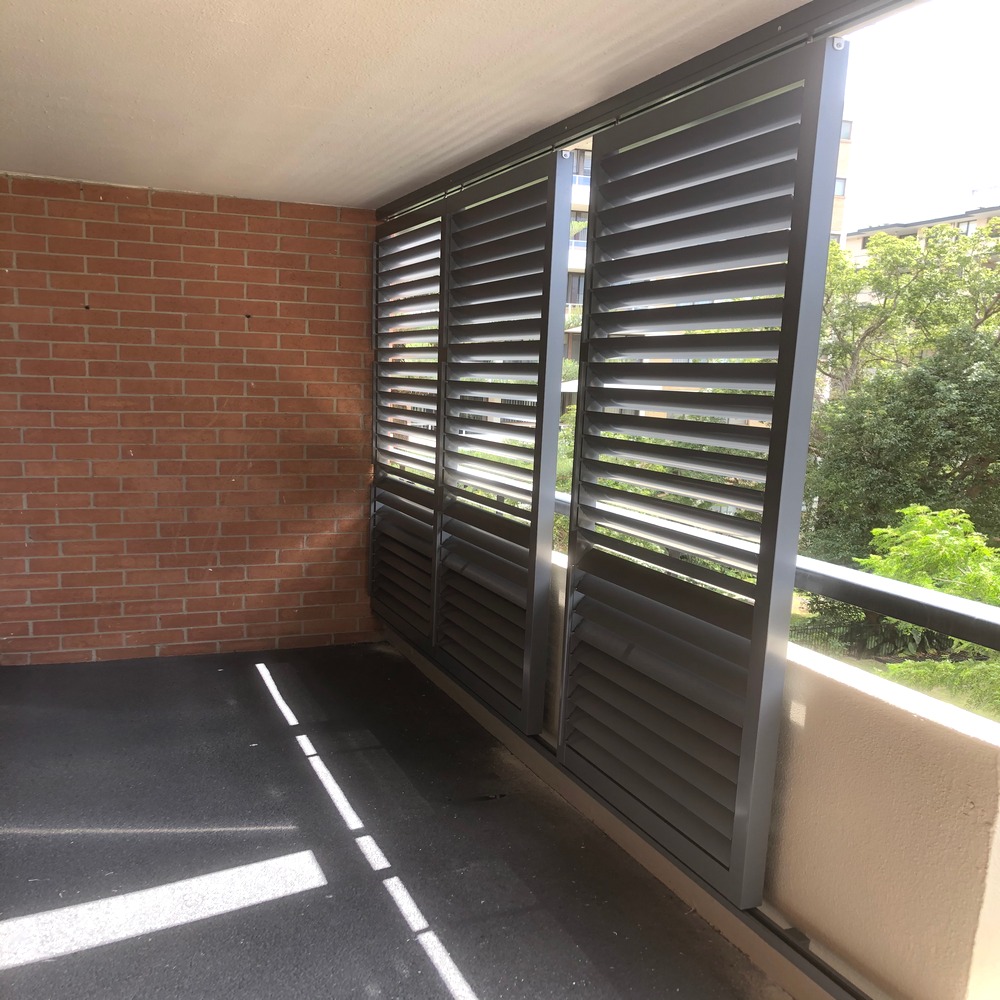
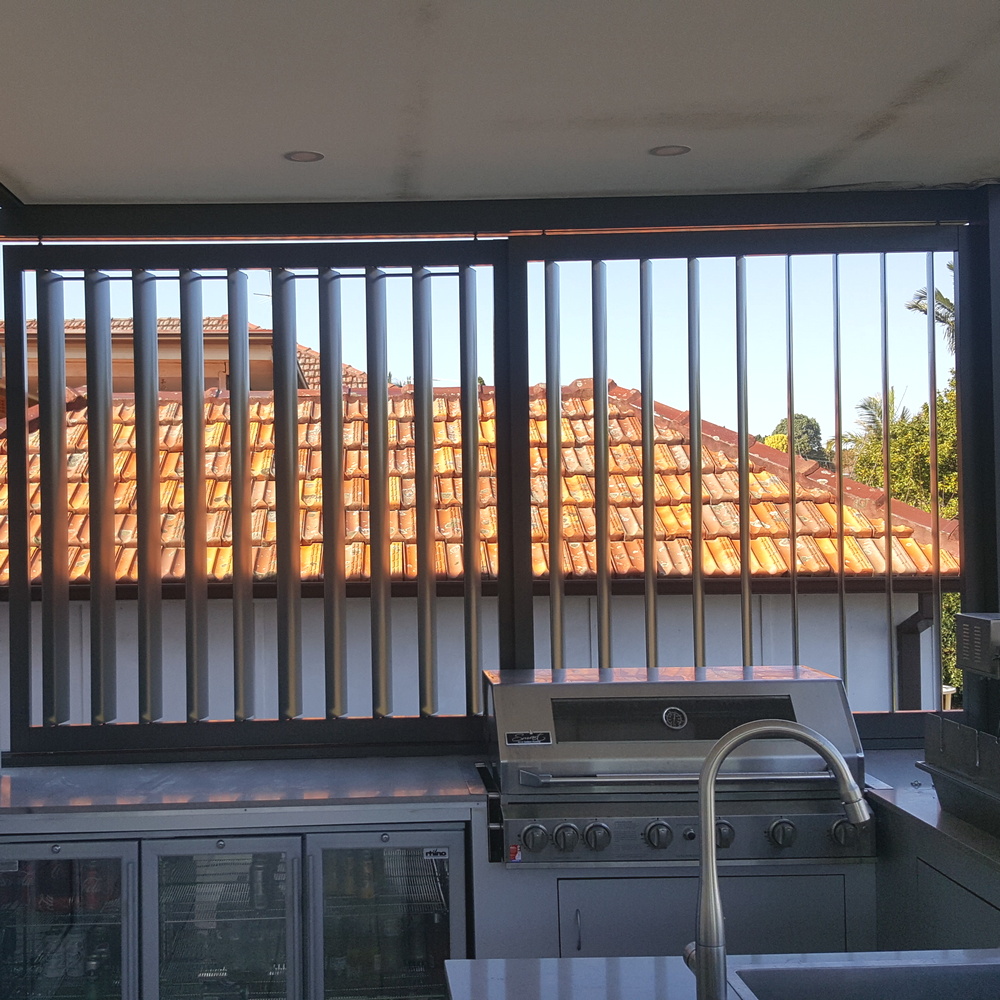
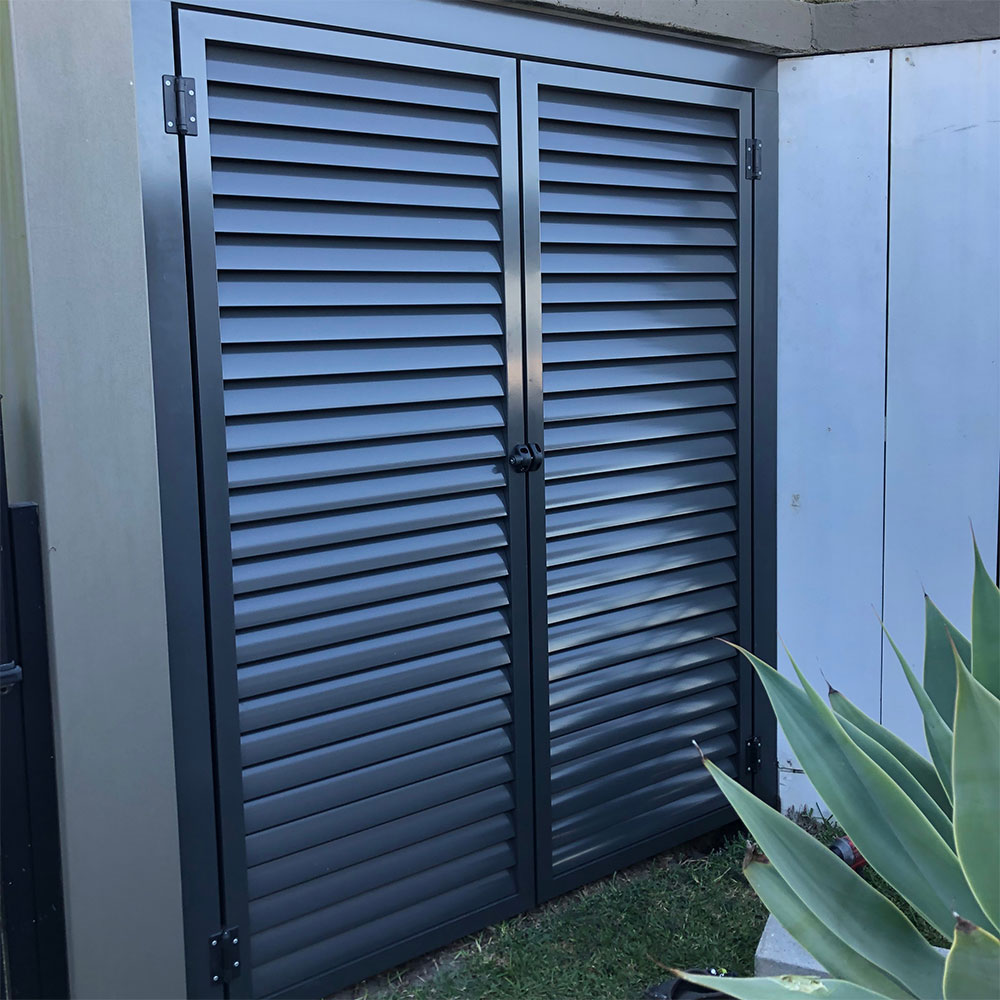
Choose from slat fencing, louvres, pickets, or privacy doors — available in vertical, horizontal, swinging, or sliding setups.

Enhanced Privacy & Security
Designed for airflow, visibility control, and secure access around homes, gardens, pools, or driveways.

Proudly Made in Sydney
Manufactured locally with quality materials and expert craftsmanship for long-term performance and style.
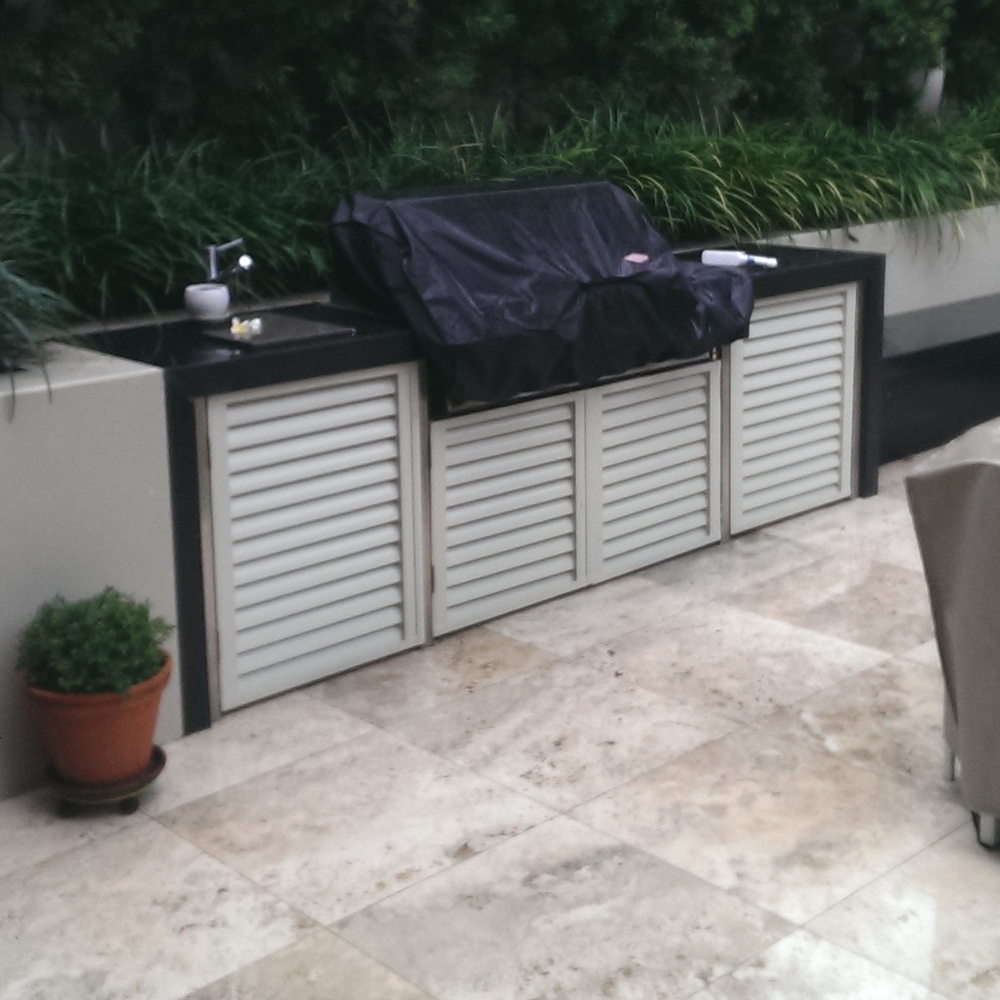
Fence and Gates
Gallery
Fence and Gates
Frame & Fixing Details
Flexible fixing options to suit every project.
Our aluminium gates and fences can be securely fixed to brick, concrete, timber, or steel structures using appropriate fasteners and mounting plates. Posts can be embedded in concrete, bolted to slabs, or fixed to walls, depending on the layout. We provide guidance on the best fixing method for your site to ensure strength, alignment, and long-term durability.
Installation Details
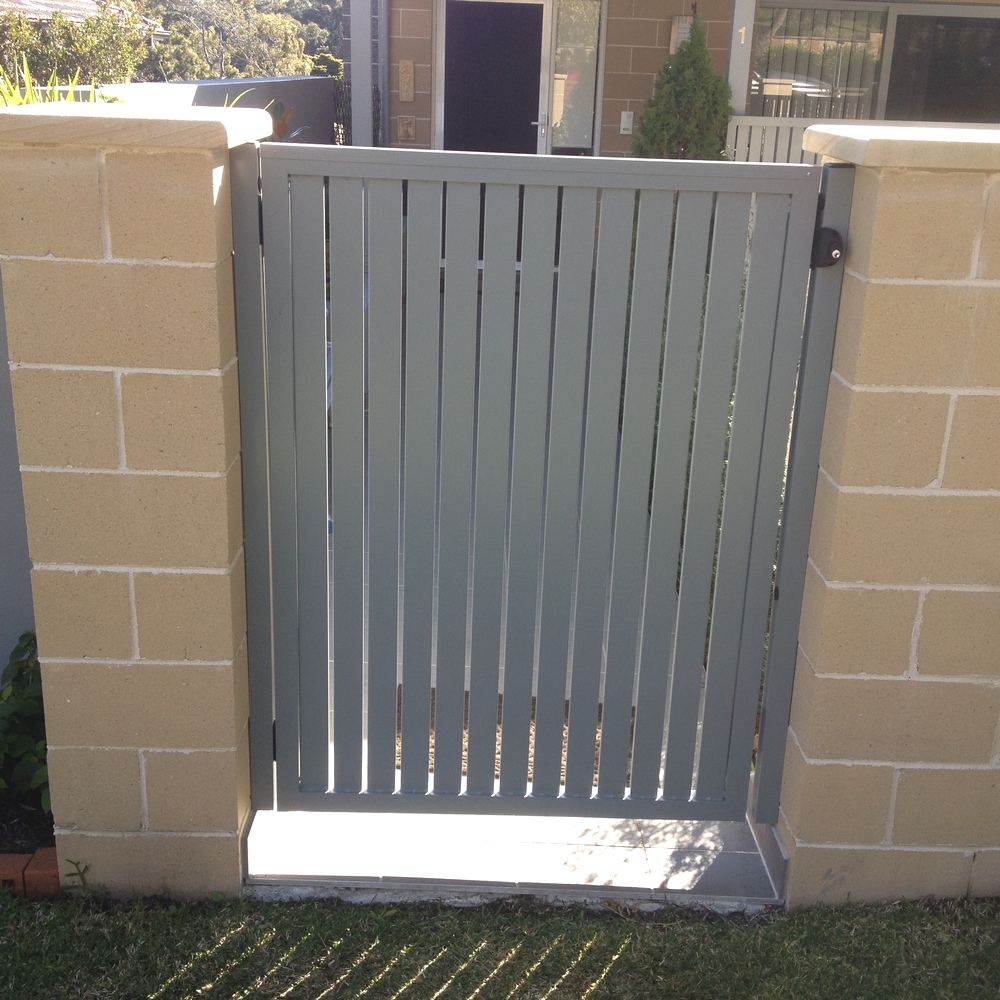
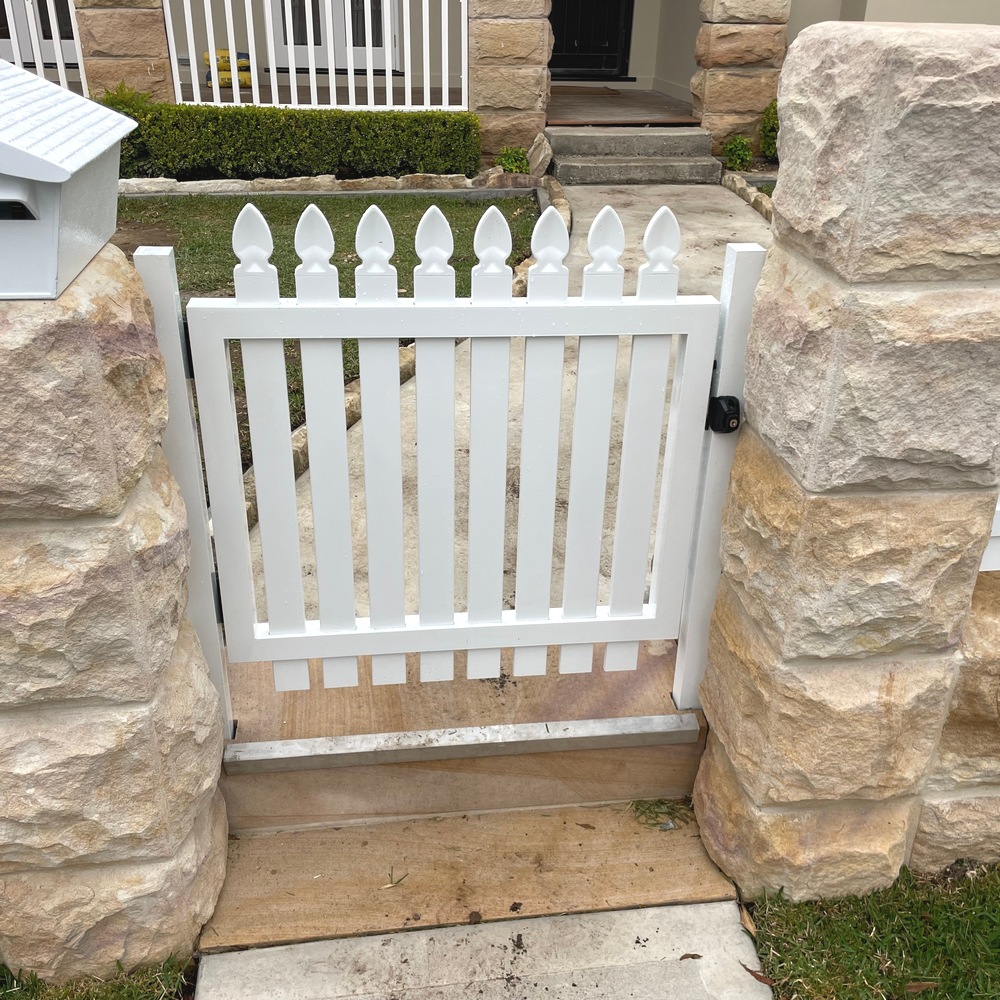
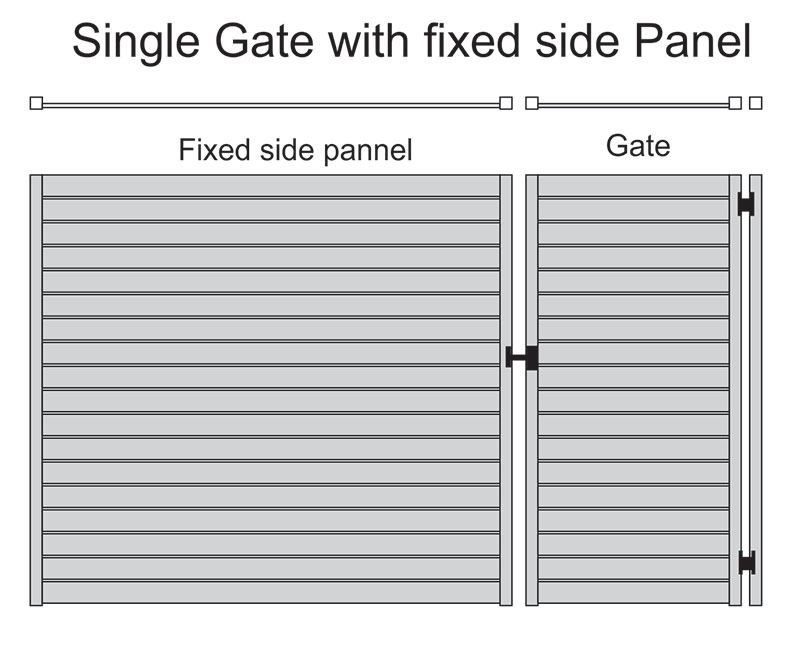
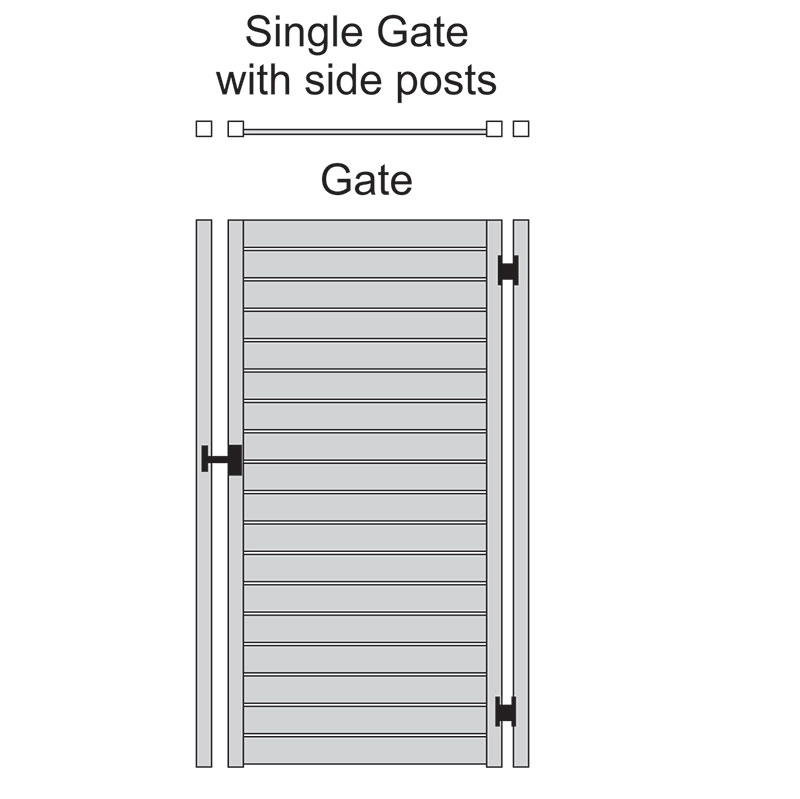
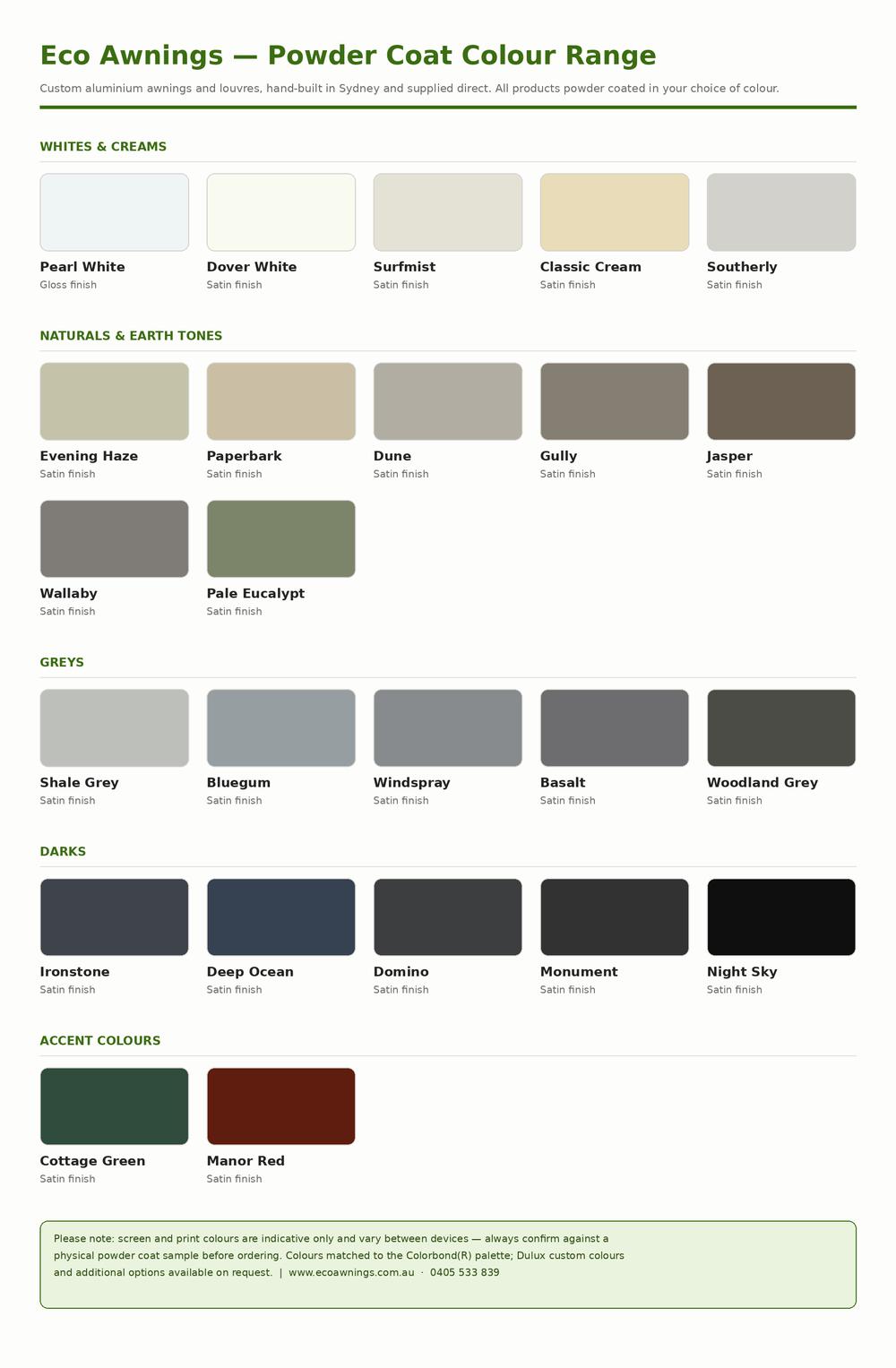
Single Gate with Posts on Either Side
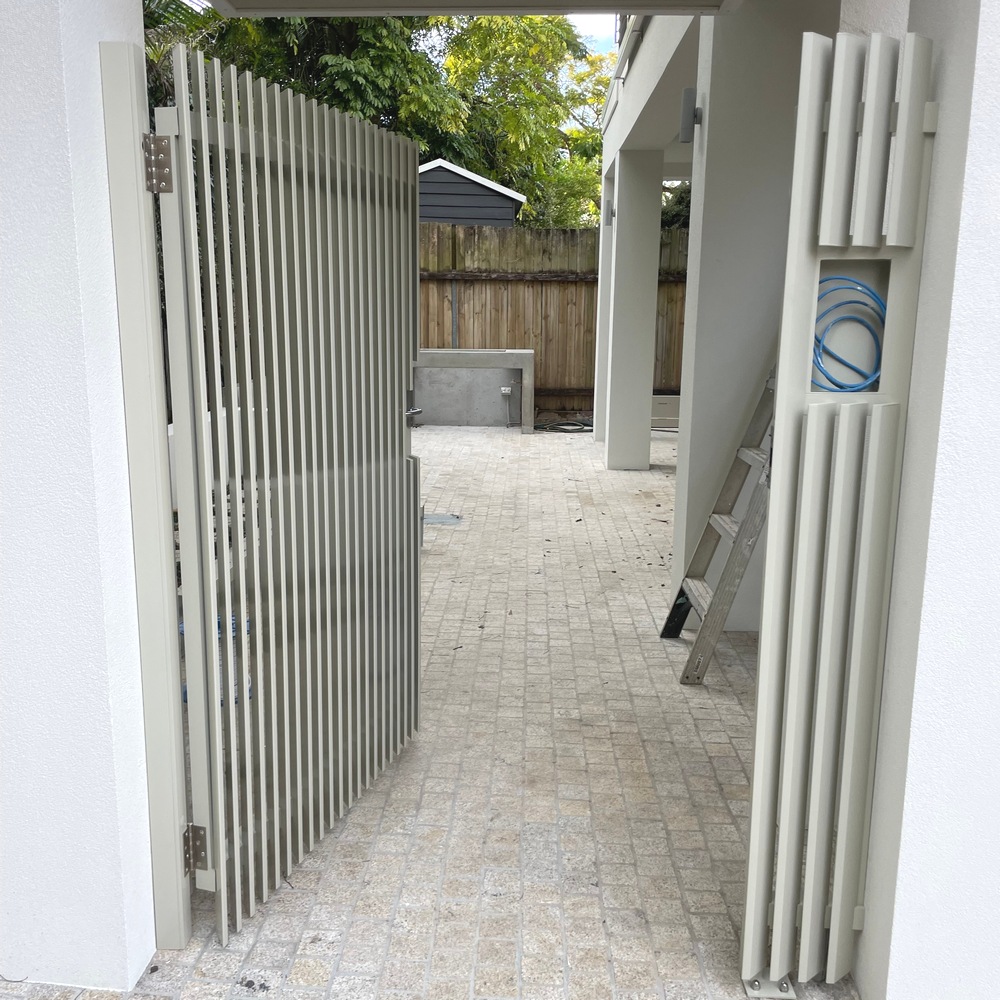
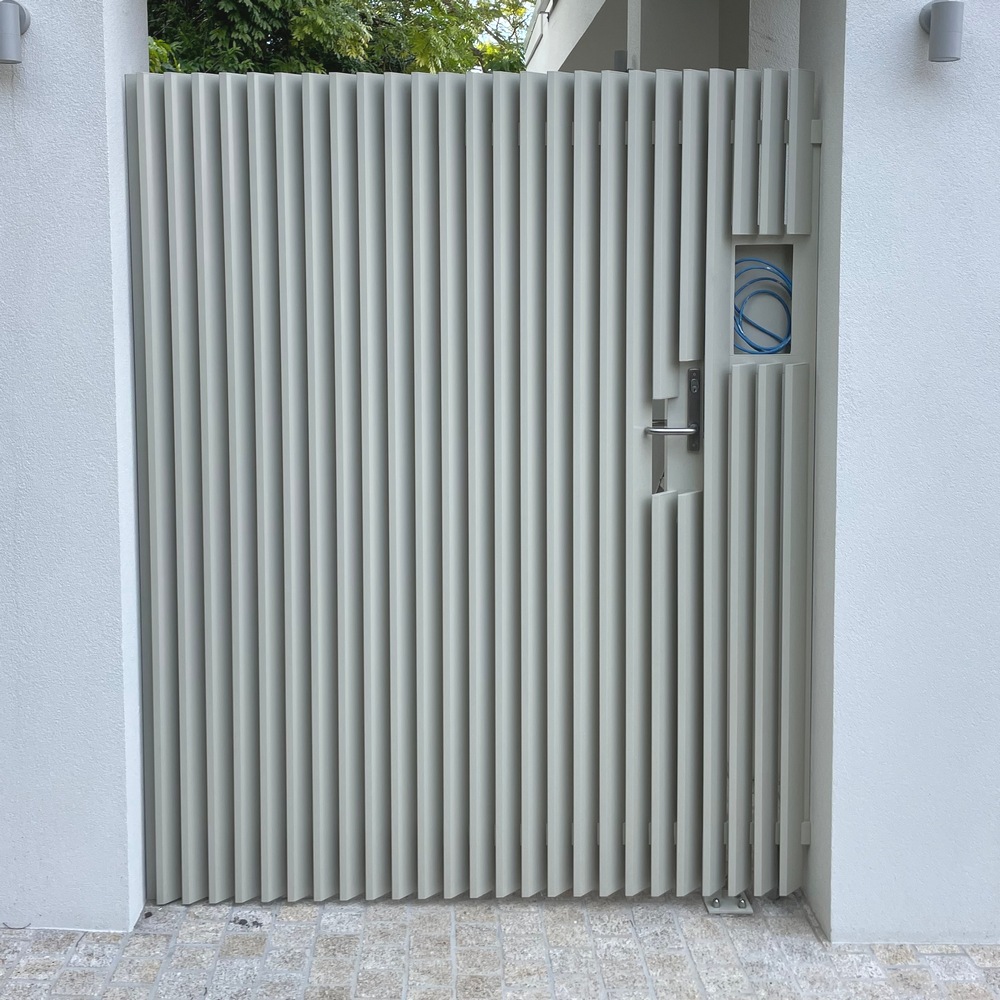
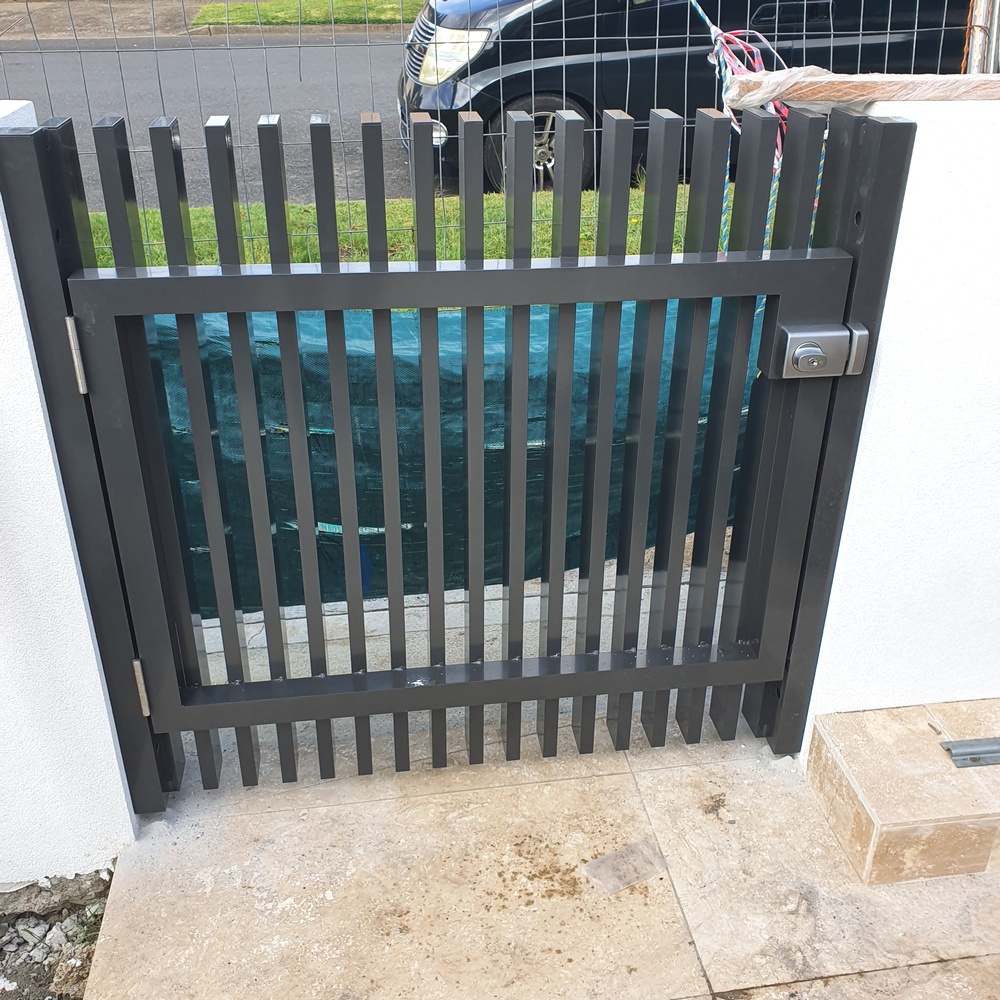
A classic setup where the gate is hinged off one post and latches to another. Both posts are securely fixed—either into concrete footings or to structural walls—to ensure stability and proper gate alignment. Ideal for side access, paths, or walkways.
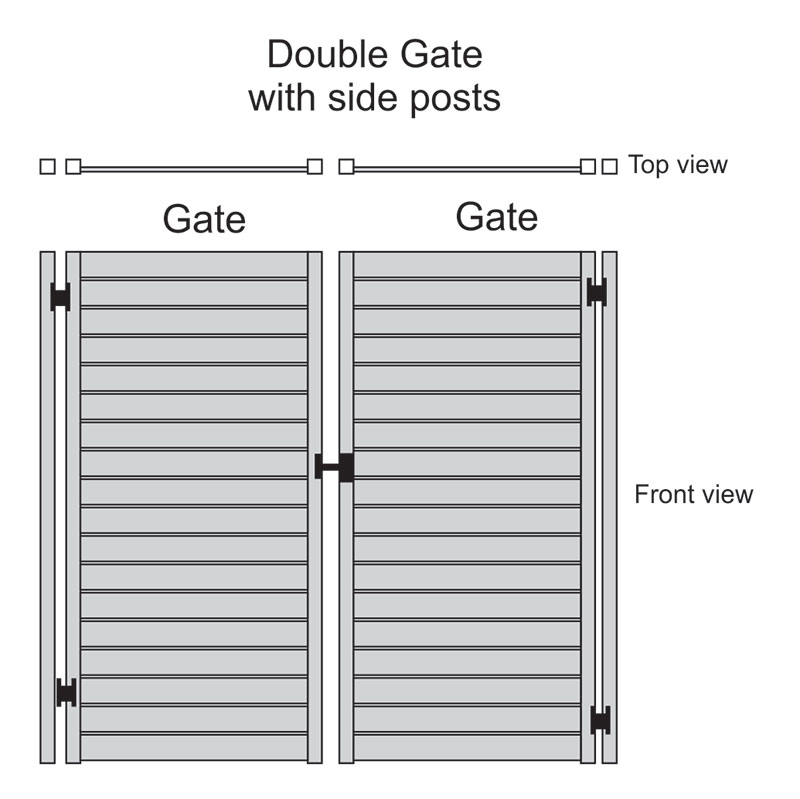
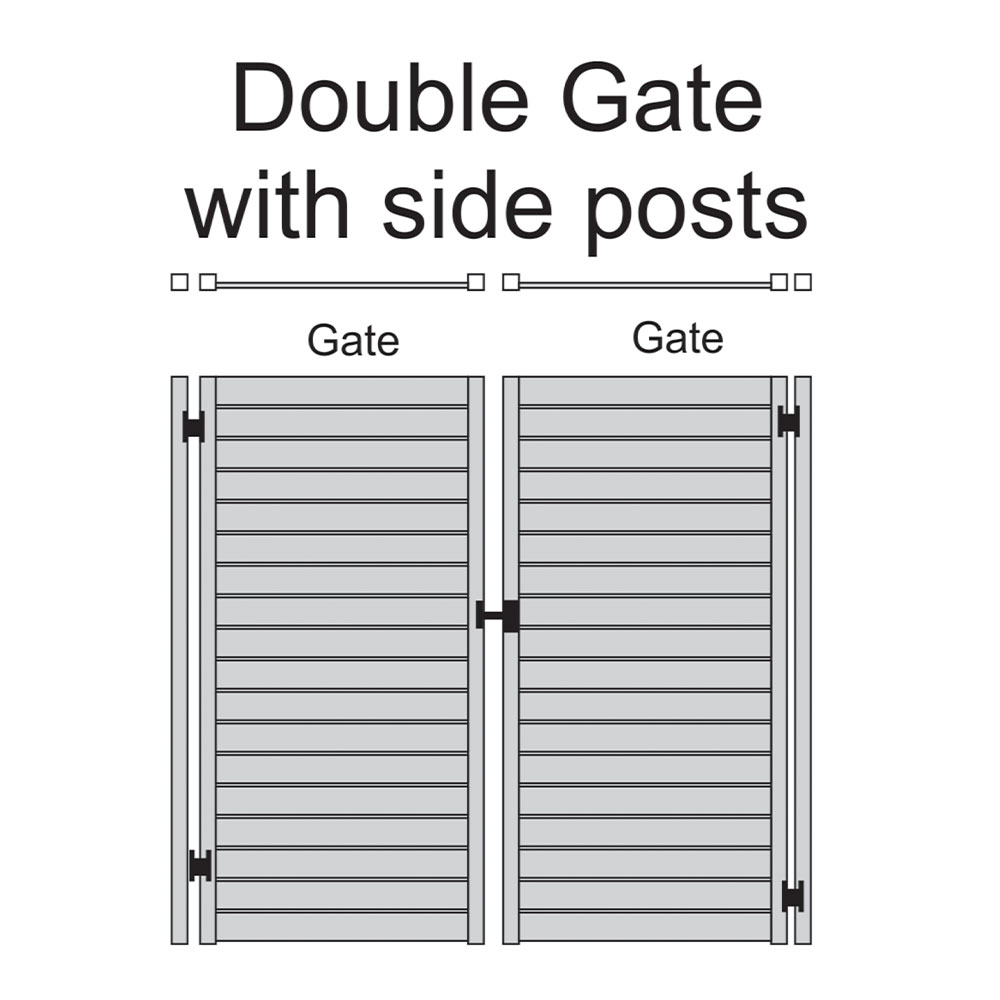
Double Gates with Centre Drop Bolt
Double-swing gates open from the centre, each leaf mounted to its own post. A centre drop bolt secures one side into the ground for stability, allowing the other to latch to it. This configuration is commonly used for driveway entrances or wider access points where space and symmetry are key.
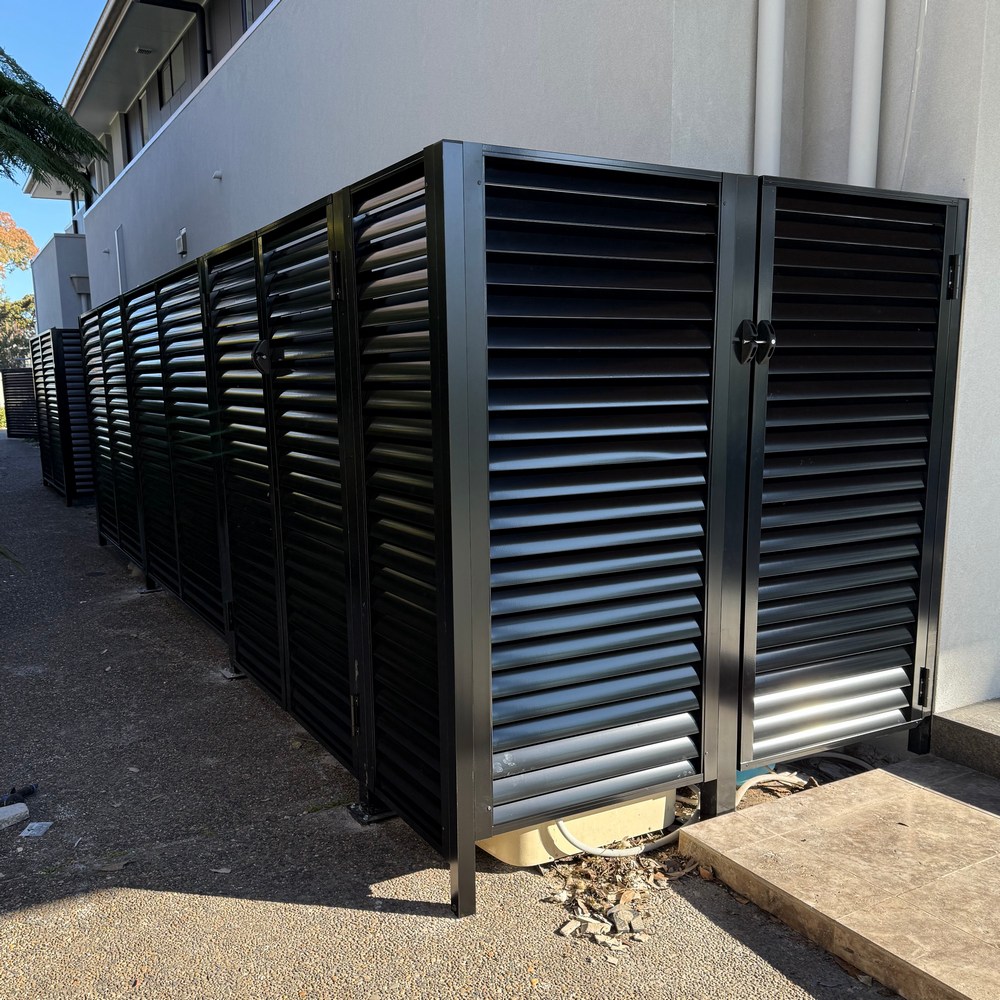
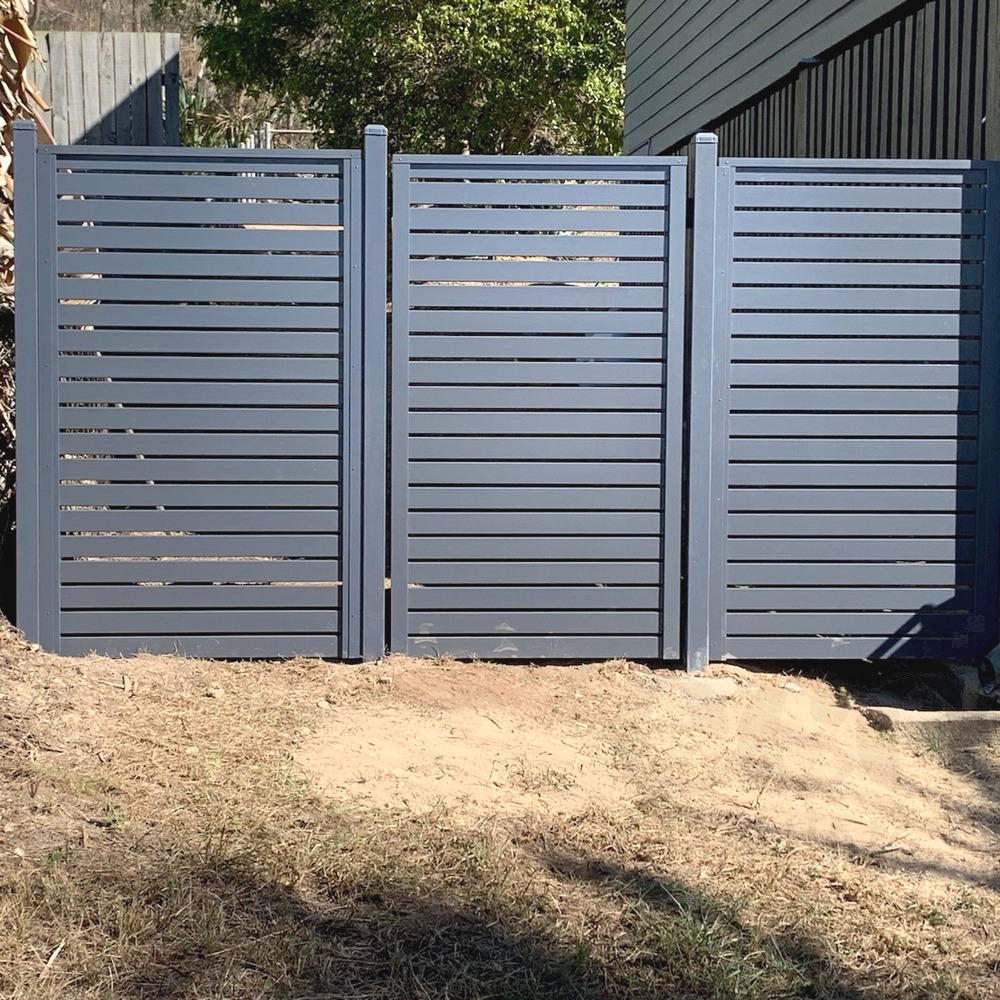
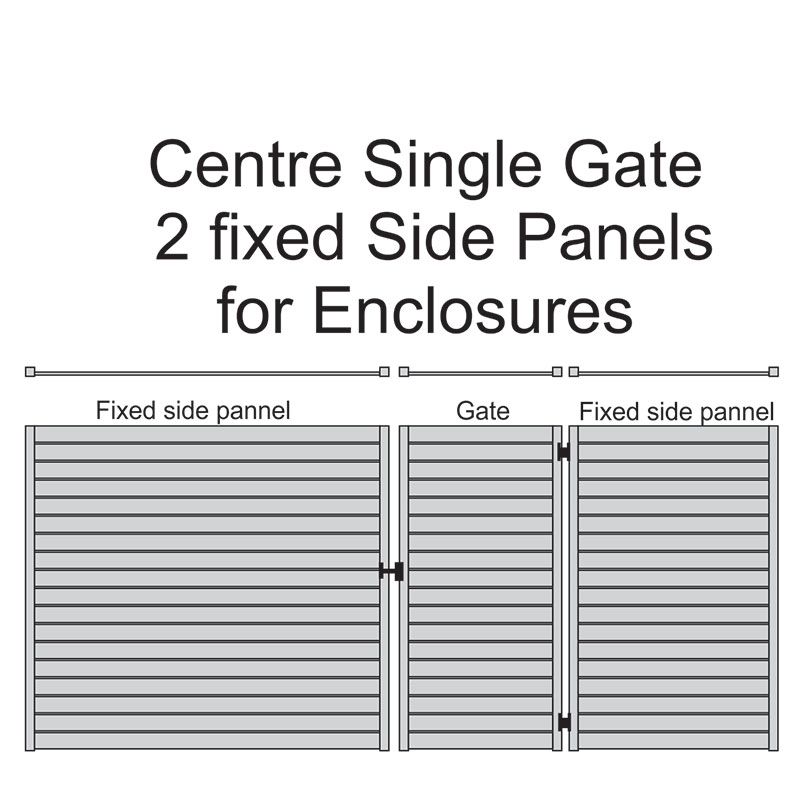
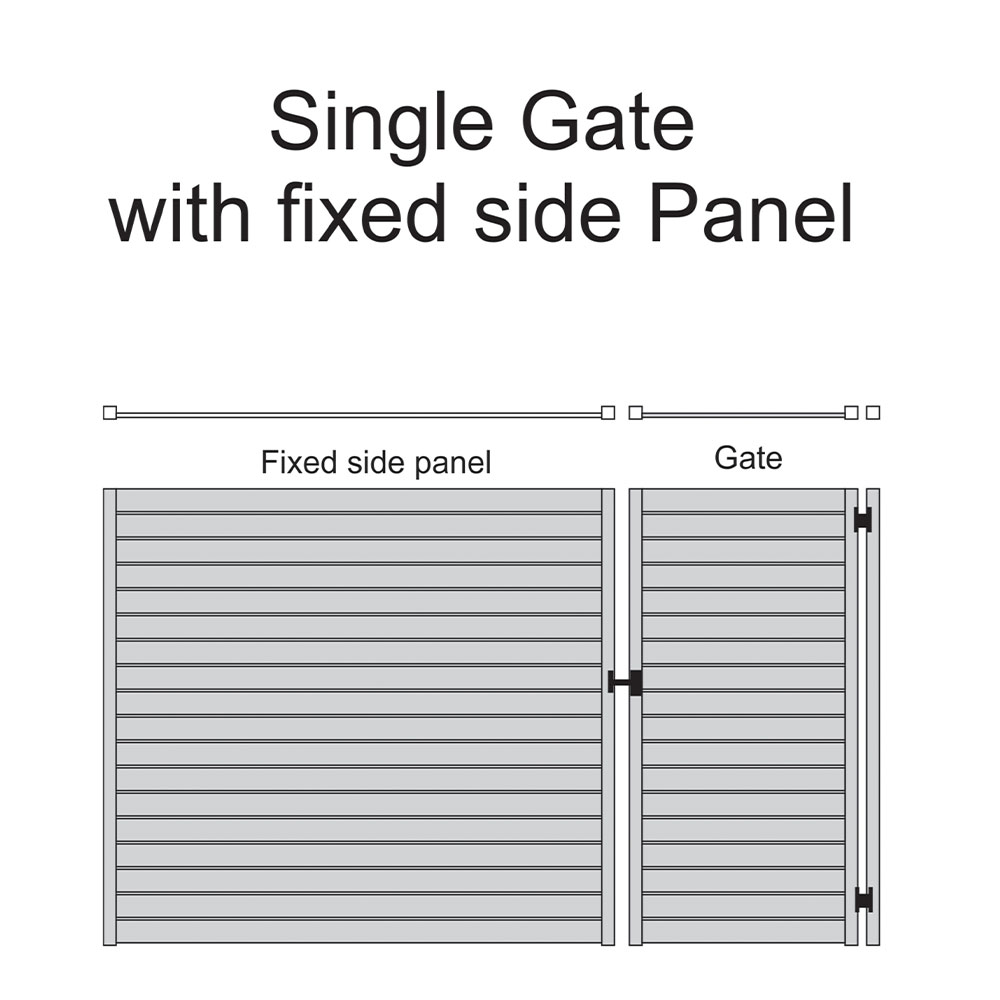
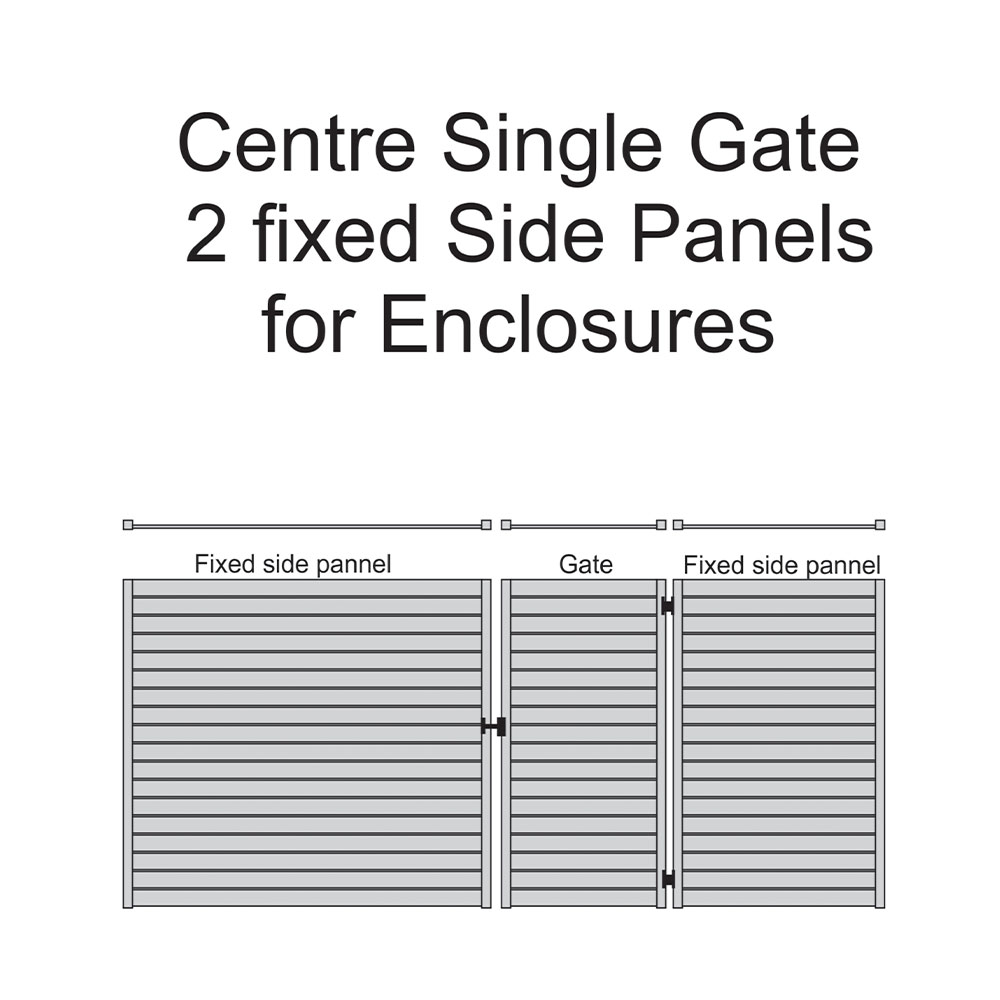
Gate with Fixed Panels on Either Side
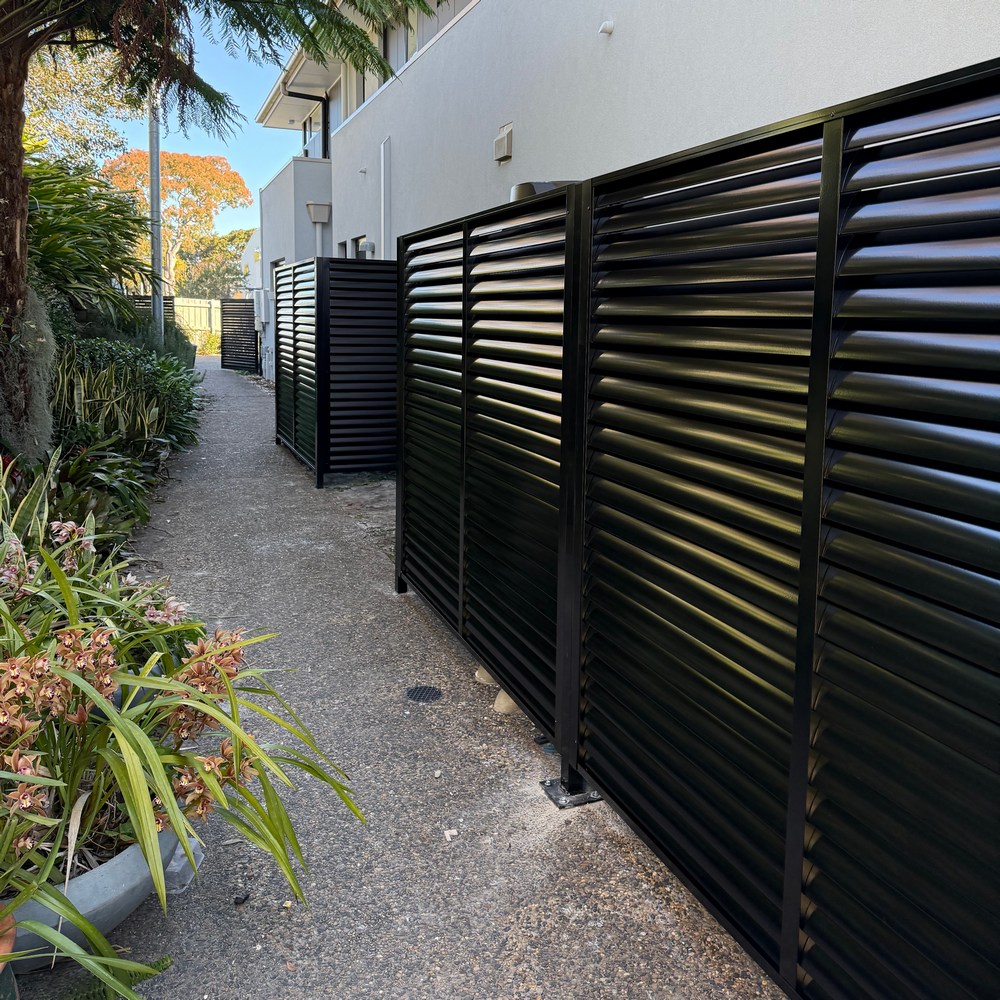
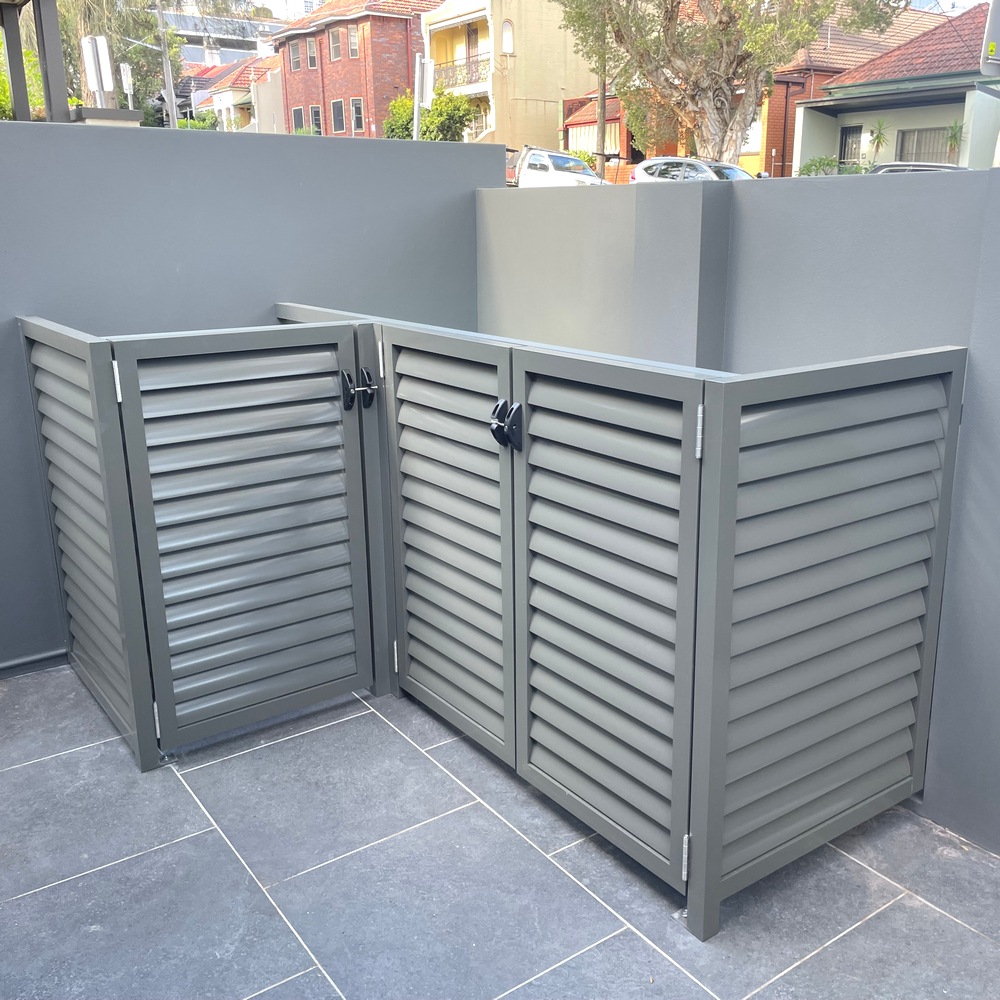
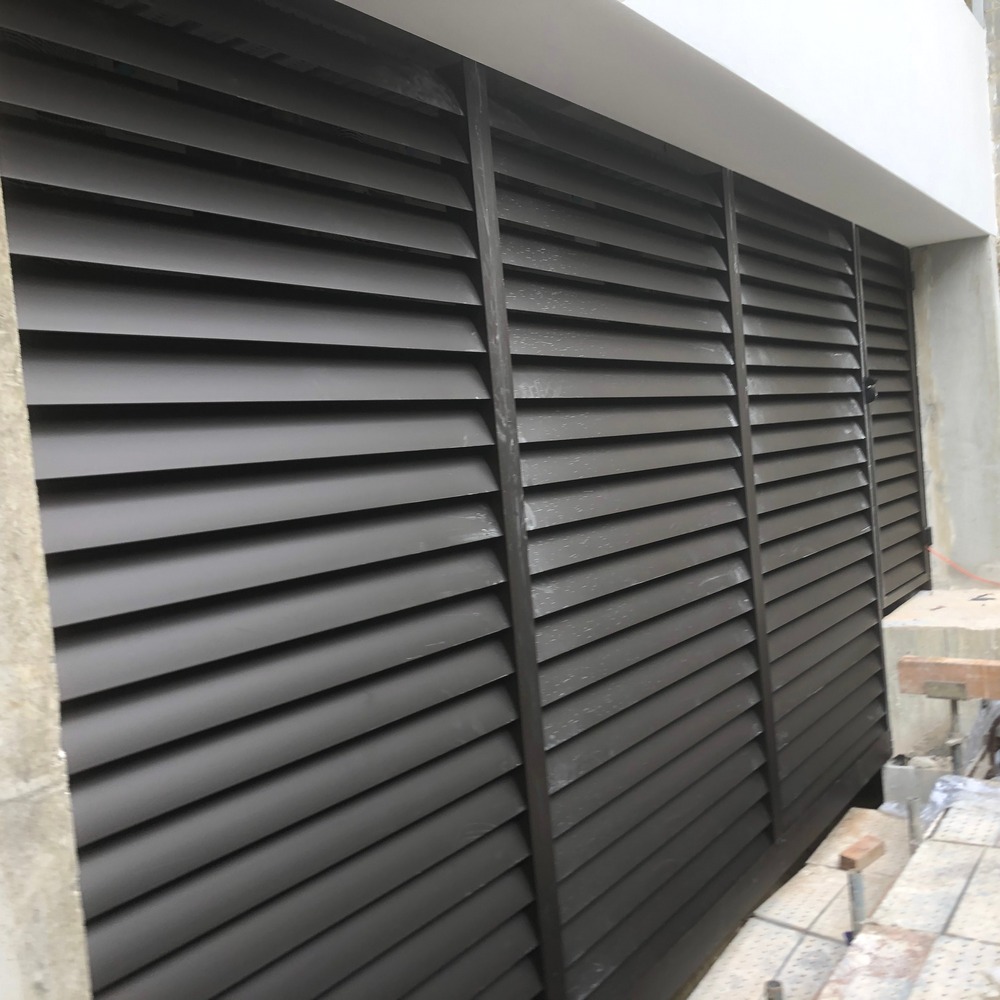
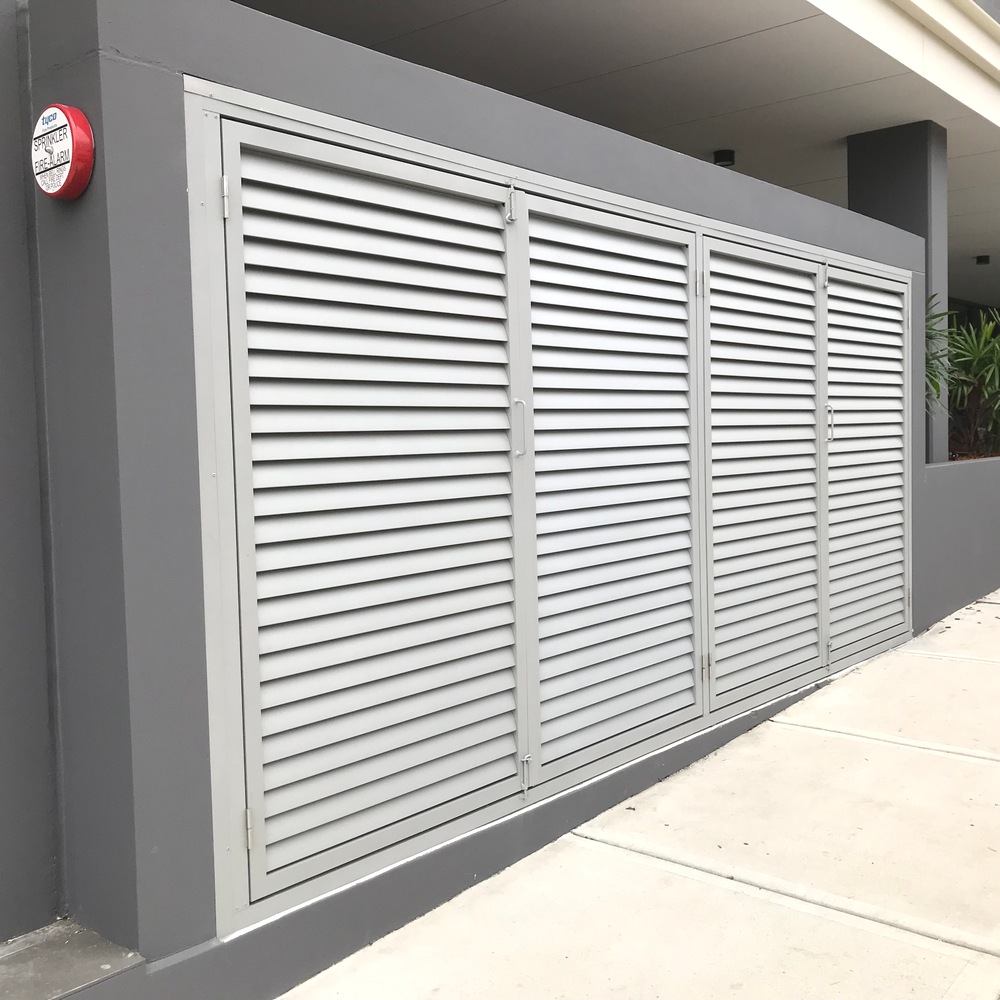
Used in enclosed areas like bin enclosures, air conditioning cages, or utility zones. The gate is installed between two fixed aluminium panels, providing privacy and airflow while allowing central access. Panels and gates are custom-sized to maintain symmetry and security.
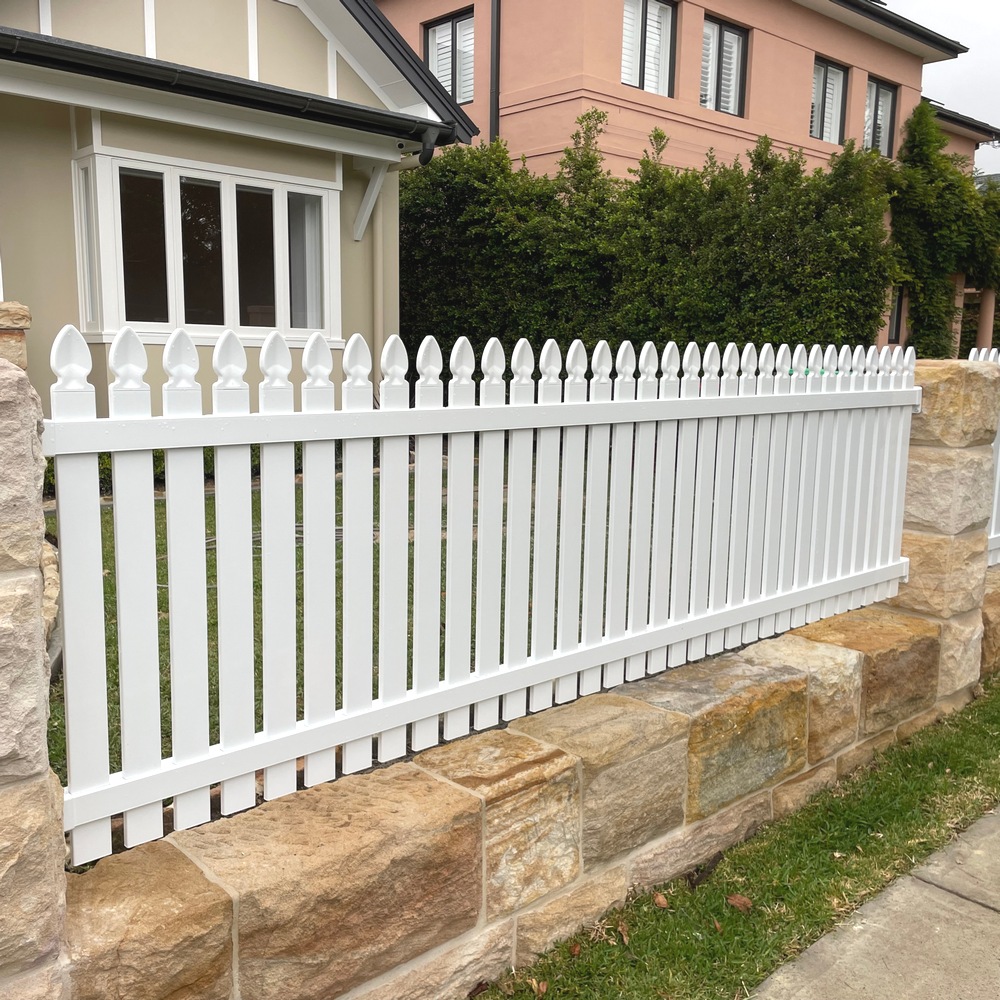
Fence Panels with Posts in Between
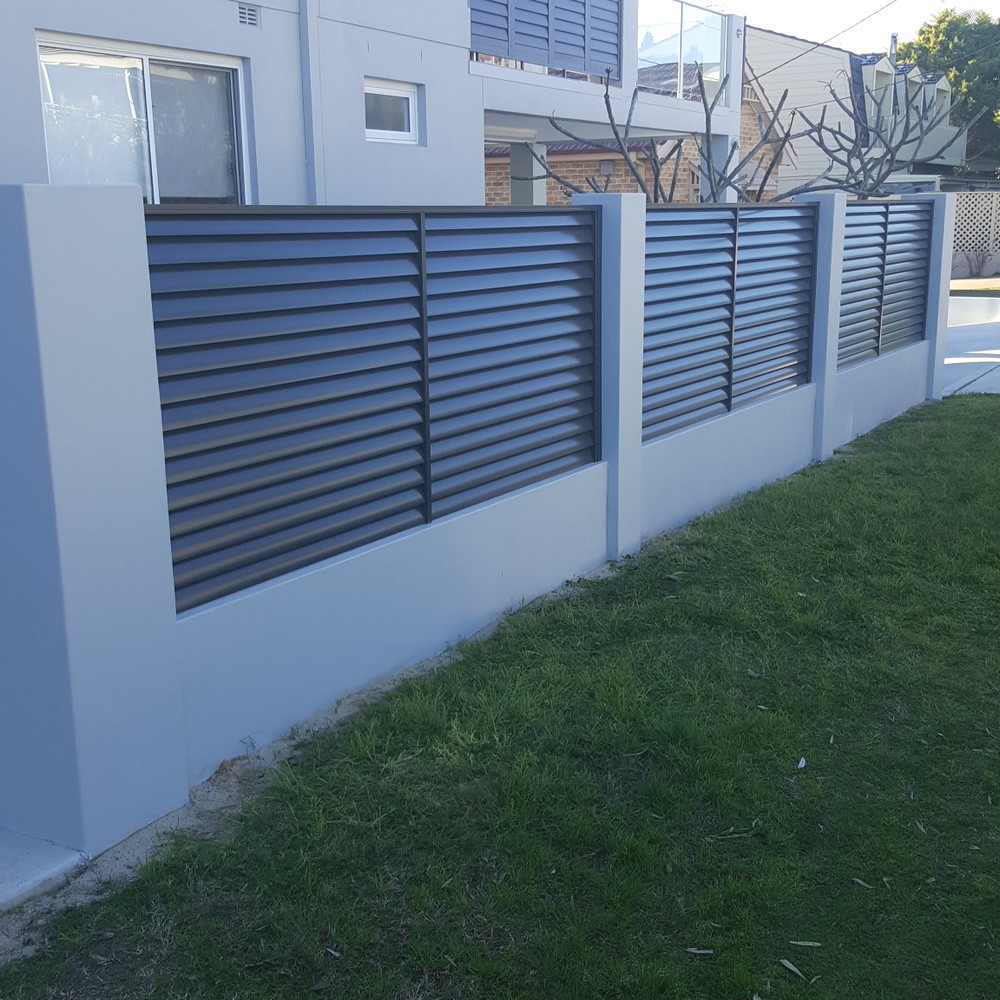
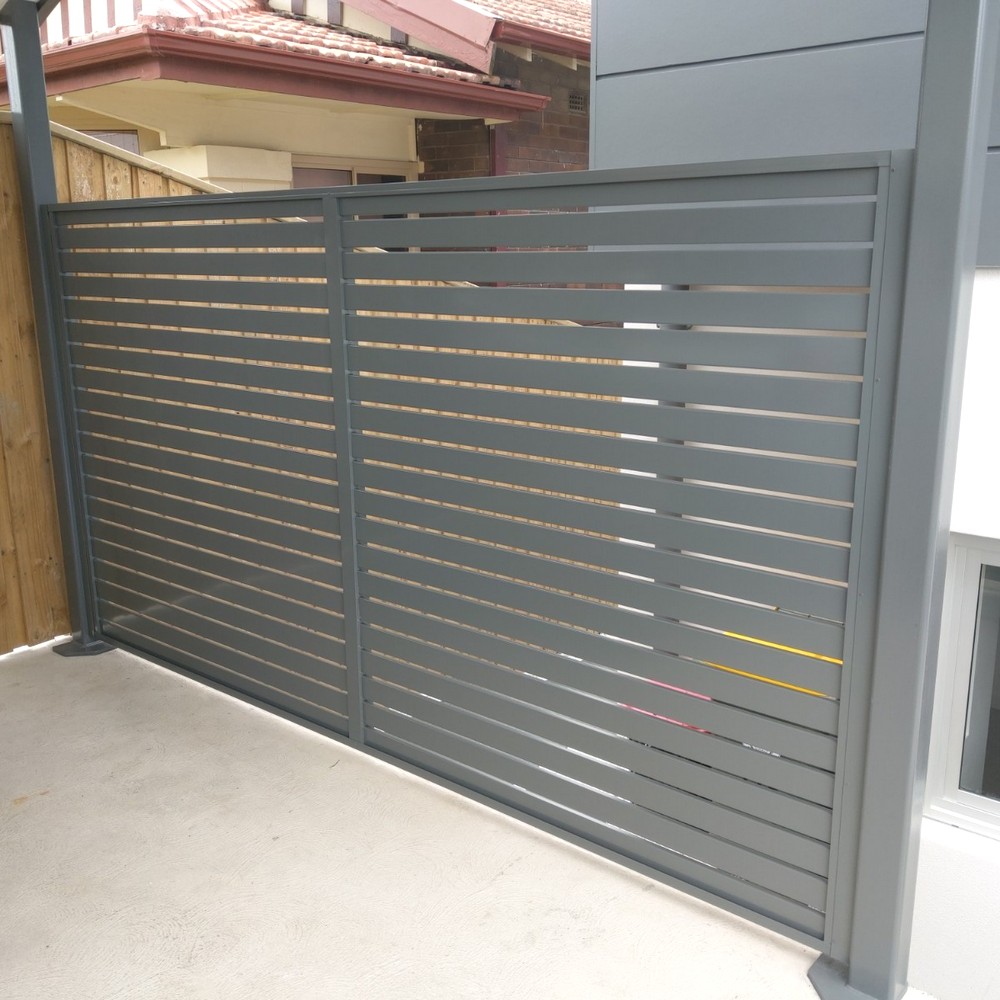
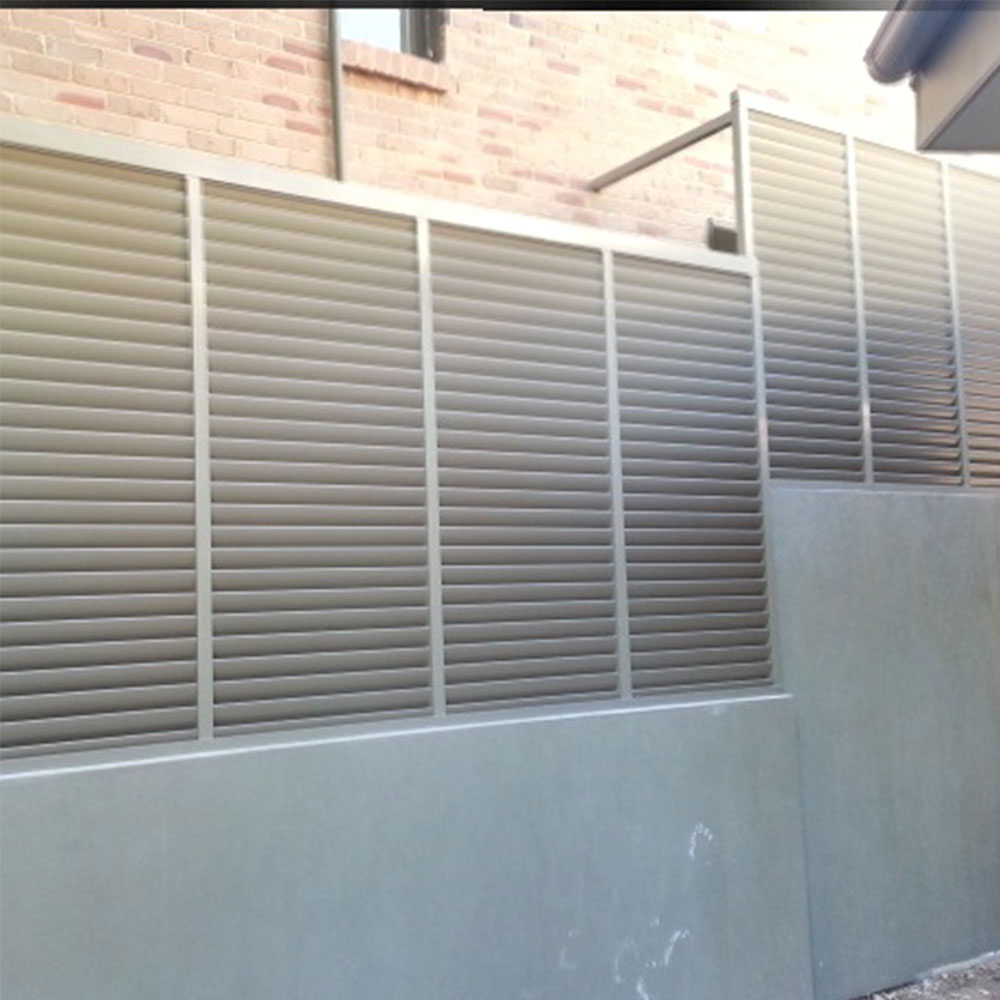
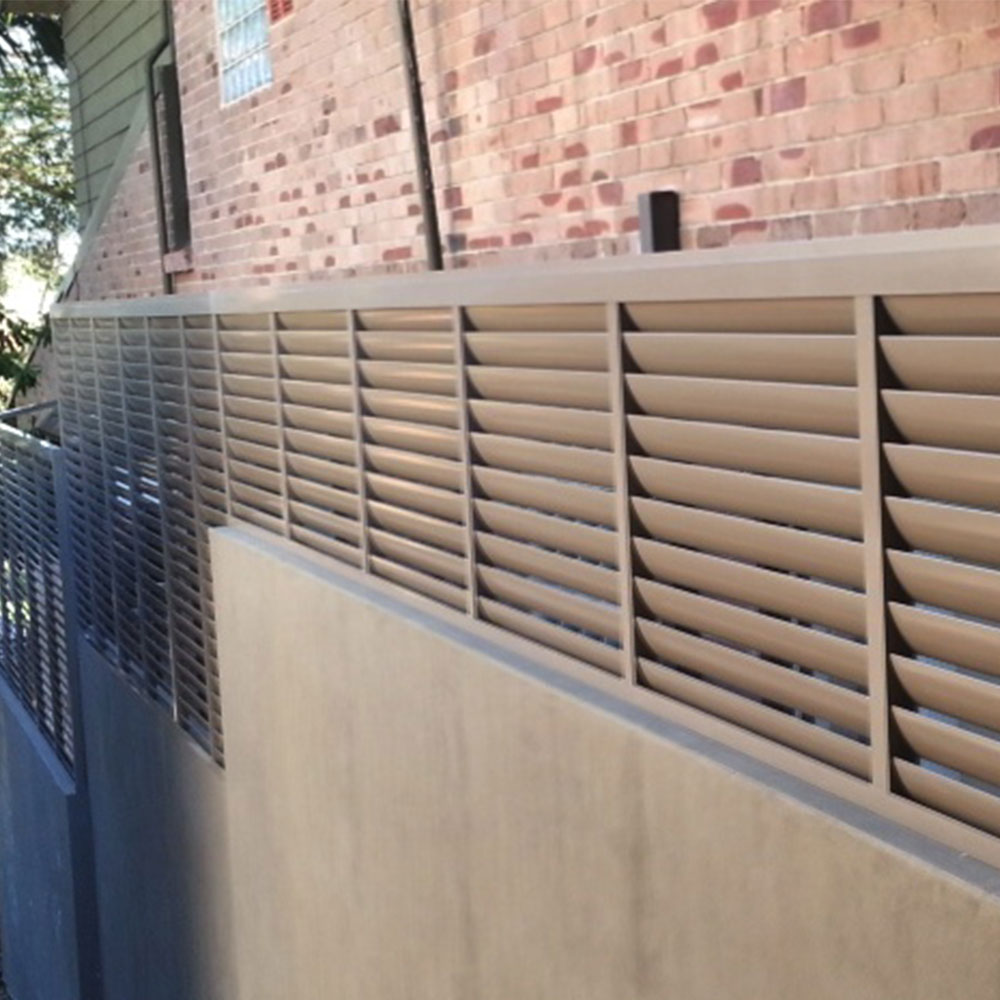
Standard fencing configuration with slat, louvre, or picket panels installed between vertical aluminium posts. Posts are either embedded in concrete or surface-mounted, depending on the terrain. This modular system allows consistent spacing, strength, and easy customisation along boundaries or property lines.
Fixing to Brick or Concrete Walls
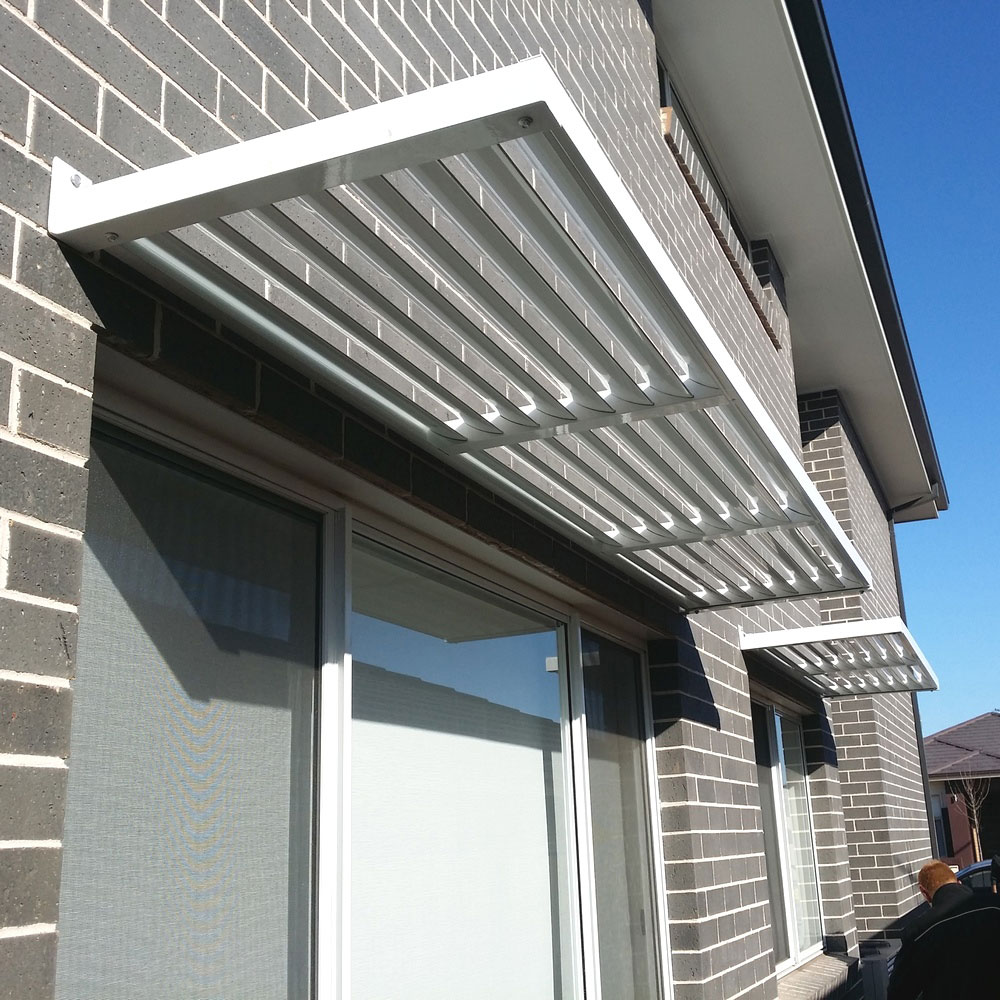
When fixing to brick or concrete, we use custom-made aluminium angles or brackets, secured with high-strength masonry anchors for a durable and stable installation. These components provide a solid mounting face for the louvre panels, whether you’re installing between walls, alongside a balcony, or in front of a window. On side walls, angles are typically used to create a flat surface for fixing the panels securely. As with any masonry fixing, it’s essential to ensure there is solid material behind rendered surfaces to achieve a reliable and long-lasting hold.
Fixing to Timber-Framed Walls
When fixing to timber-framed walls, it’s essential that all brackets or angles are secured directly into the structural studs behind the cladding, not the cladding itself. Our standard aluminium fixing angles can be used, but the integrity of the installation depends on anchoring into solid framing. If stud positions don’t align with the bracket layout, additional noggins or internal framing may be required. It’s ideal to plan mounting points before cladding is installed, and heavy-duty timber screws should be used for a strong, secure connection.
Installer Tip:
If the timber framing is still exposed, it’s a great time to plan and measure the louvre layout early. Working out bracket positions ahead of time can save significant effort and cost later on. In many cases, it may be best to design the louvre size to suit the stud layout, rather than the other way around.
GOOD TO KNOW
Frequently Asked Questions
How big can a gate be made?
Gate size is decided by two things: what the gate fixes to, and how the gate itself is built. The supporting structure comes first — a structural wall, or a post strong enough for the job (ideally concreted into the ground). As a rule a single gate shouldn’t be more than 1.2 metres wide, with heights typically between 1.1 and 2.2 metres. The bigger the gate, the more chance it can sag — especially lighter designs with a top rail, bottom rail and slats through the centre — so we build every gate structurally to suit your opening size and the way it will be fixed.
What comes with the gate?
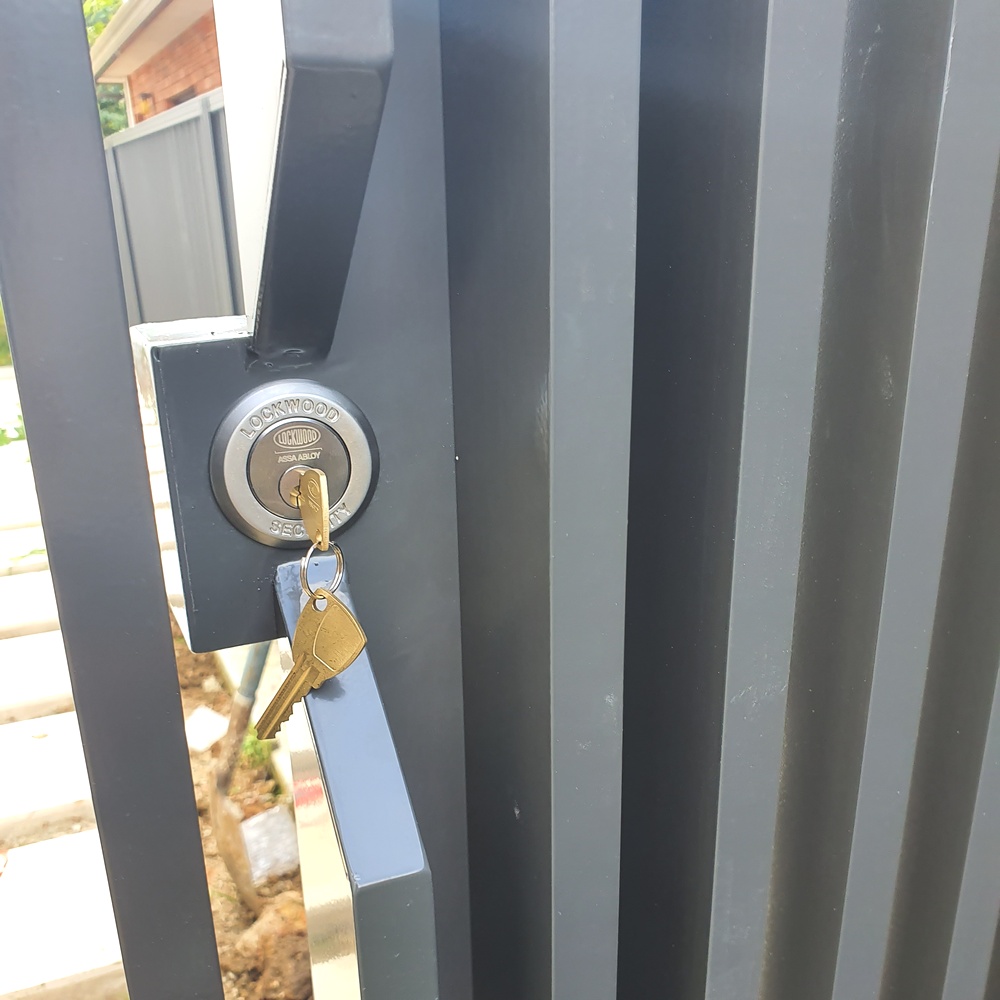
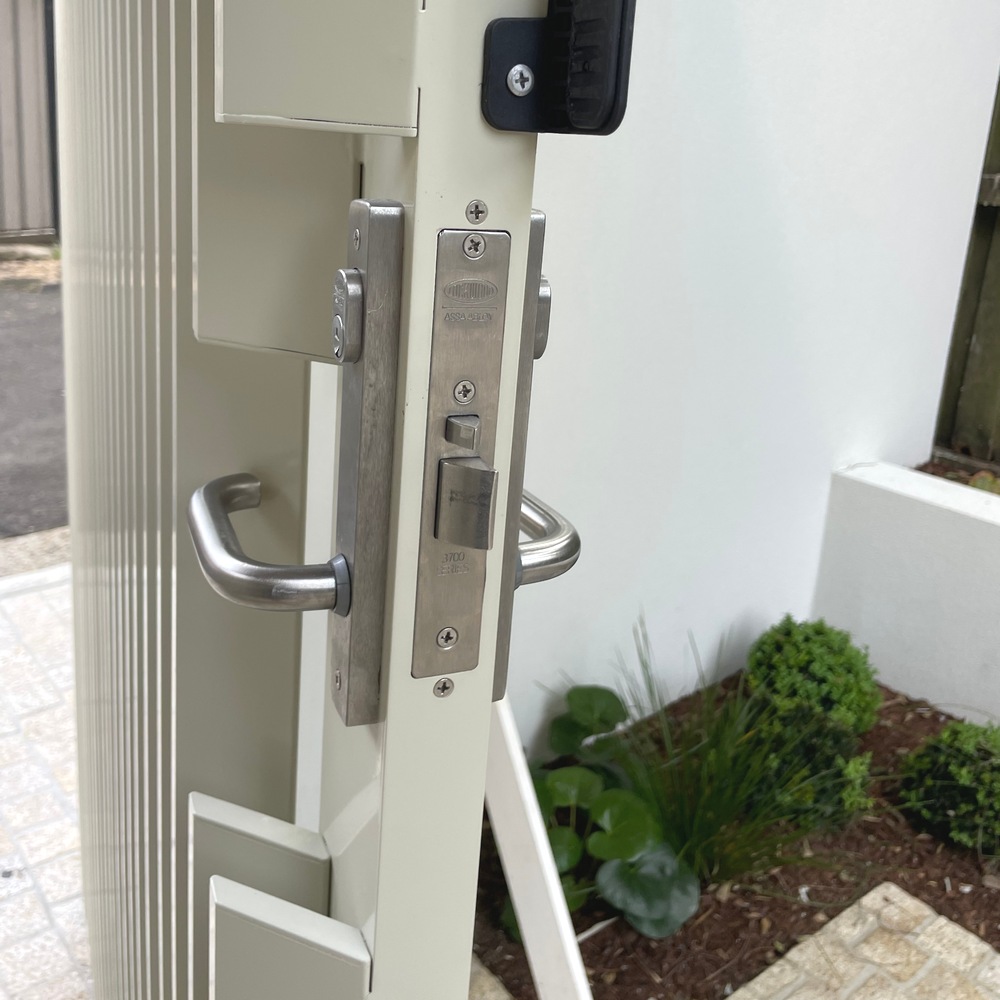
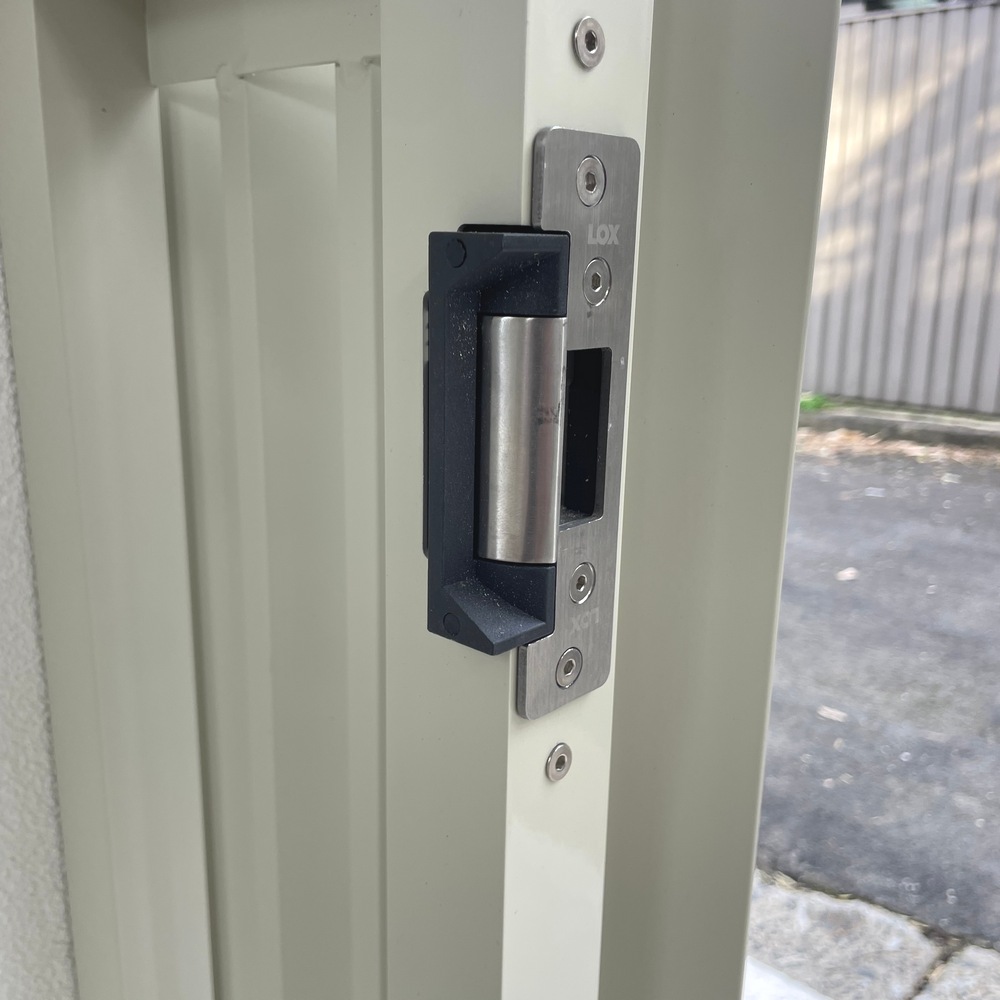
As much or as little as you need. We can make just the gate panel and you supply your own componentry, or we can supply everything ready to hang. The right hardware depends on where the gate lives: a side gate securing your home needs a quality keyed lock, while a garden gate that just keeps pets in may only need a standard flip latch. Hinges range from spring-loaded self-closing types up to multi-point fixing hinges, and locks run from a simple flip latch to fully electronic locks — hardware alone can range from around $60 up to $2,000. Every gate is worked out individually: the exact measurement of your opening comes first, then the right size, hinges and lock for how the gate will be used.
What do I need to mount a gate?
In most cases you need a solid post on each side of the opening — one to carry the hinges so the gate swings correctly, and one on the other side for the lock to close against. Whatever the gate fixes to must be completely solid, with no ability to move or shift out of position — a gate is only as good as what it hangs from. How we design yours is worked out from the weight of the gate and the type of hinges and lock being used.
How long will it take to make my gate?
Every gate is custom made, so allow two to three weeks on average, depending on the time of year. The process runs: we work out the design with you, the gate is made in our Sydney workshop, it goes to the powder coater for its finish, and then it’s ready for delivery or pickup.
How do I work out the size of gate I need?
You don’t have to — that’s part of the service. What we need from you is the tight measurement: the exact distance between the left and right sides of the opening, measured at both the top and the bottom (if your wall or posts aren’t perfectly plumb, those two numbers will differ, and we design for it). If the gate is going into an opening with a height restriction, we need the same tight measurement top to bottom. From those figures we calculate everything else — the gaps for hinges and locks — and size the gate to suit.
THE FINISH
Learn About Our Powder Coating
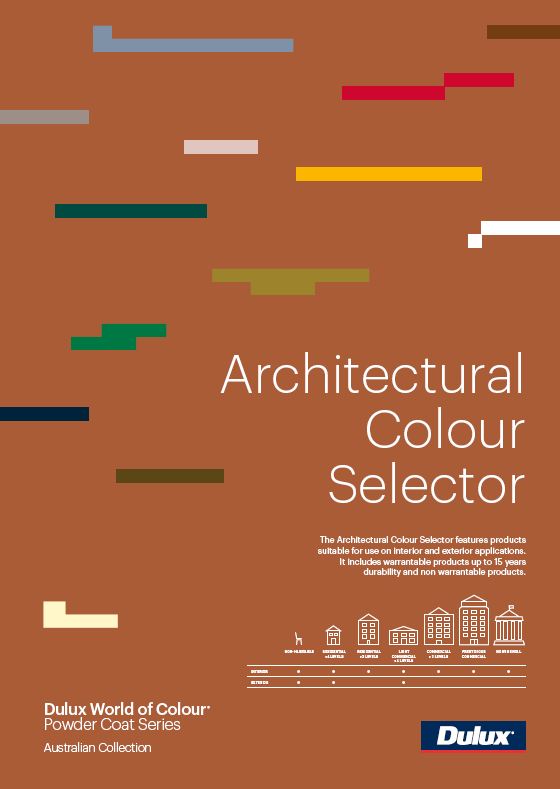
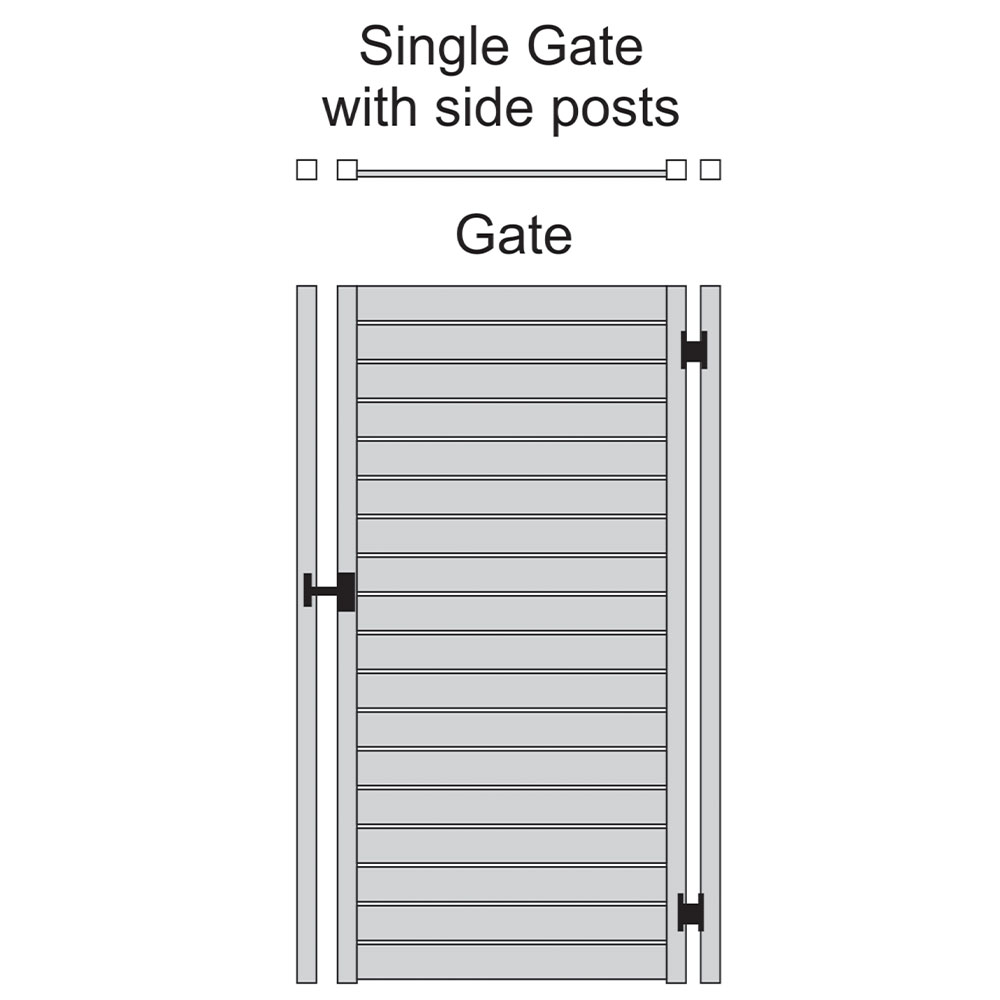
Every awning and louvre is powder coated before delivery — never painted on site. We use premium Dulux Duralloy® powders, the Australian architectural standard: a thick, uniform finish that resists chipping, fading and coastal weather far better than paint.
Six standard colours — no colour surcharge:
Satin Black
Pearl White
Monument
Woodland Grey
Shale Grey
Primrose
Prefer something different? Any colour from the full Dulux range can be matched — including every Colorbond®-matched tone.
Click here to learn more about powder coating →TECHNICAL DRAWINGS
Gate Drawings and Dimensions
POWDER COAT COLOURS
Powder Coat Colour Charts
NOT QUITE THE RIGHT FIT?
Explore the Louvre Range
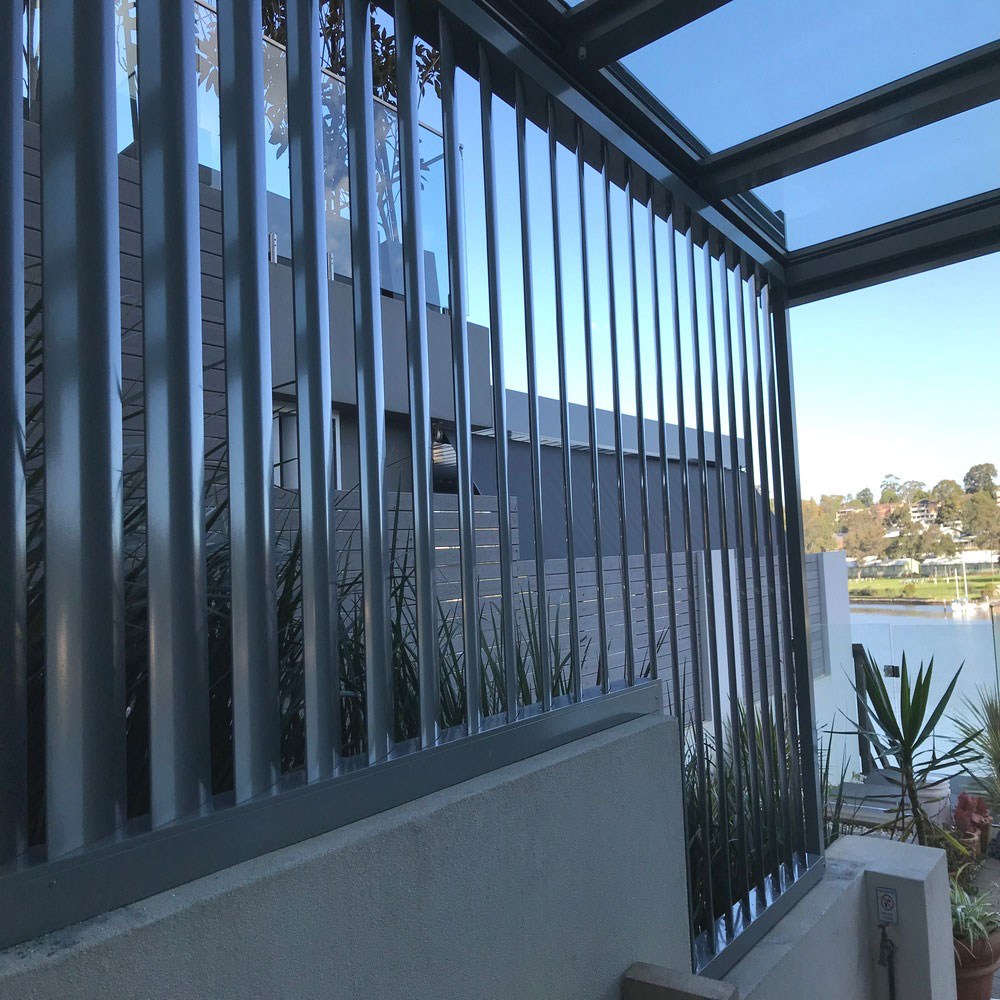
Not sure which louvre suits your project? Compare the full range of aluminium louvres we custom-make in Sydney — or get a quote and we’ll recommend the right fit.
Manufactured in Sydney and supplied direct – custom-made for every project, with no middlemen and no delays.